

Indiana State Climate Office provides spring outlook
Meteorological spring is here, with predictions by the Climate Prediction Center (CPC) covering March, April and May. The vernal equinox, traditionally celebrated as the beginning of the season, will occur on March 20. There are currently strong La Nina conditions prevailing with greater than a degree Celsius below-average temperature in the Pacific Equatorial region. These conditions have some impact on the outlook.
The La Nina currently affecting Indiana is relatively strong, but it should weaken through the spring with El Nino – Southern Oscillation (ENSO) neutral conditions prevailing by the summertime. Model forecasts predict a chance of returning to La Nina again by the autumn. A traditional winter/early spring La Nina places Indiana at risk for more than average precipitation. The CPC predicts that Indiana has a greater than 40% chance of wetter than average conditions (compared to drier than normal or normal conditions).
 Beth Hall, Indiana state climatologist, said, “This winter started quite mild, which is not unusual for La Nina winters. We were anticipating that the winter would end with more winter-like conditions – particularly concerning unusually cold and snowy conditions. It’s always a relief when those predictions seem to come true like we saw this past February!”
Predictions indicate most will receive about a half-inch of precipitation above the average for the next three months. This news would be welcome for the north and northeastern parts of the state, where abnormally dry and moderate drought conditions have persisted since last fall.
La Nina springs tend to have a warming signal in the southern U.S., while less of a signal exists for the northern parts of the continent. Meanwhile, the general trend toward warm springs in past years has been moderately predictable. The CPC has most of the nation listed with probabilities of higher than normal temperatures, including all of Indiana. Averaged over the period, Indiana temperatures are predicted only at 0.5 degrees Fahrenheit warmer than average, however.
Spring brings the return of humidity, warmer temperatures and a greater likelihood of severe weather. La Nina conditions have been studied with correlations to hailstorms and tornadoes. Spring La Nina conditions increase the probability of hailstorms throughout the state of Indiana. Tornado probability is slightly increased only in southern Indiana. Probabilities increase in the Oklahoma/Arkansas region, but taper out further from that epicenter.
To analyze the spring forecast, most of the information for this article resides here. The reference to severe weather is available here or in the Journal Nature Geoscience, published in April 2015 and written by Allen, Tippett, and Sobel.
For more information on the seasonal outlook, contact Hans Schmitz at the Purdue Extension Posey County office via hschmitz@purdue.edu or 812-838-1331, or the Indiana State Climate Office at 765-494-8060.
Featured Stories

WEST LAFAYETTE, Ind. — Purdue Extension’s EDGE in Ag program recognized three...
![4-H volunteer Kristi Kretzmeier, left, stands with her husband, two daughters, two 4-H youth, and a show sheep. One youth, Kyle Albertson, sits in a motorized wheelchair, and his sheep is held in place[MCM1.1] by a specialized wheelchair attachment.](../../2026/08/_media/4-h-volunteers_mobile-square.jpg)
Summer days are for 4-H in the Kretzmeier household. If you’re looking for Kristi...
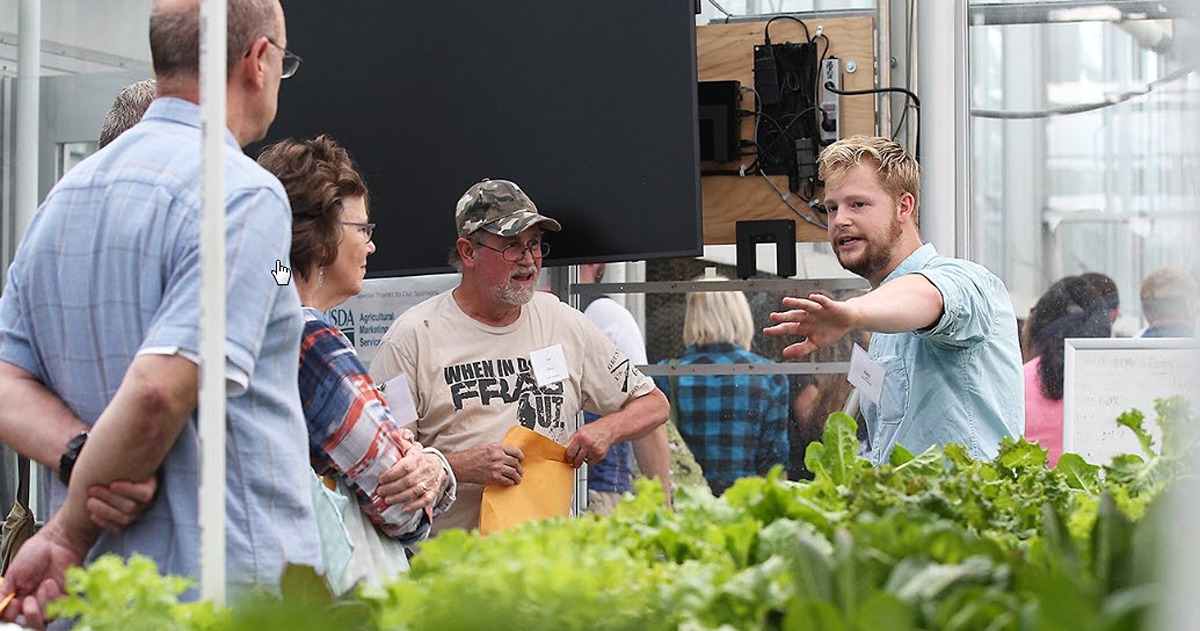
WEST LAFAYETTE, Ind. — Purdue University’s Department of Horticulture and Landscape...

WEST LAFAYETTE, Ind. — The Indiana State Fair kicks off Aug. 7 with the theme “Always...
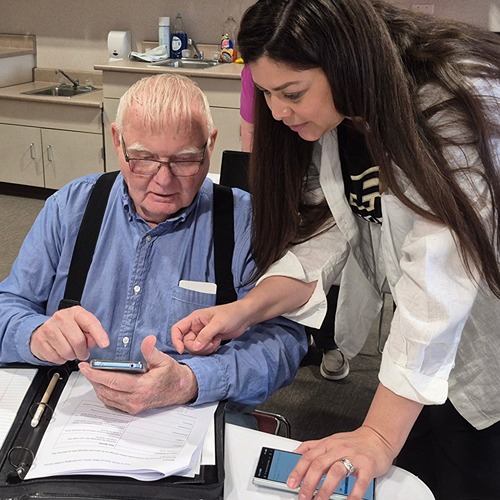
Tom Clements walked into Porter County Aging and Community Services looking for a tutor to help...

With fresh, flavorful strawberries in high demand across Indiana so are Purdue Extension...