What We Do

“Food Systems are complex networks that include all the inputs and outputs associated with agricultural and food production and consumption.  Food systems can vary substantially from place to place and over time, depending on location specific conditions.”

-United States Department of Agriculture


The Food Systems Coordinator supports small, diverse farms and value-added food businesses in Indiana. We are also involved in local food in terms of food safety, economics, and education. The Purdue Food Systems program uses an interdisciplinary approach to collaboratively create educational materials and workshops, while engaging community members to build local economies.

Contact Us

Sarah Hanson

Food Systems Coordinator
sspeedy@purdue.edu

615 W. State Street
West Lafayette, IN 47907
765-494-8483

Producer

Producer
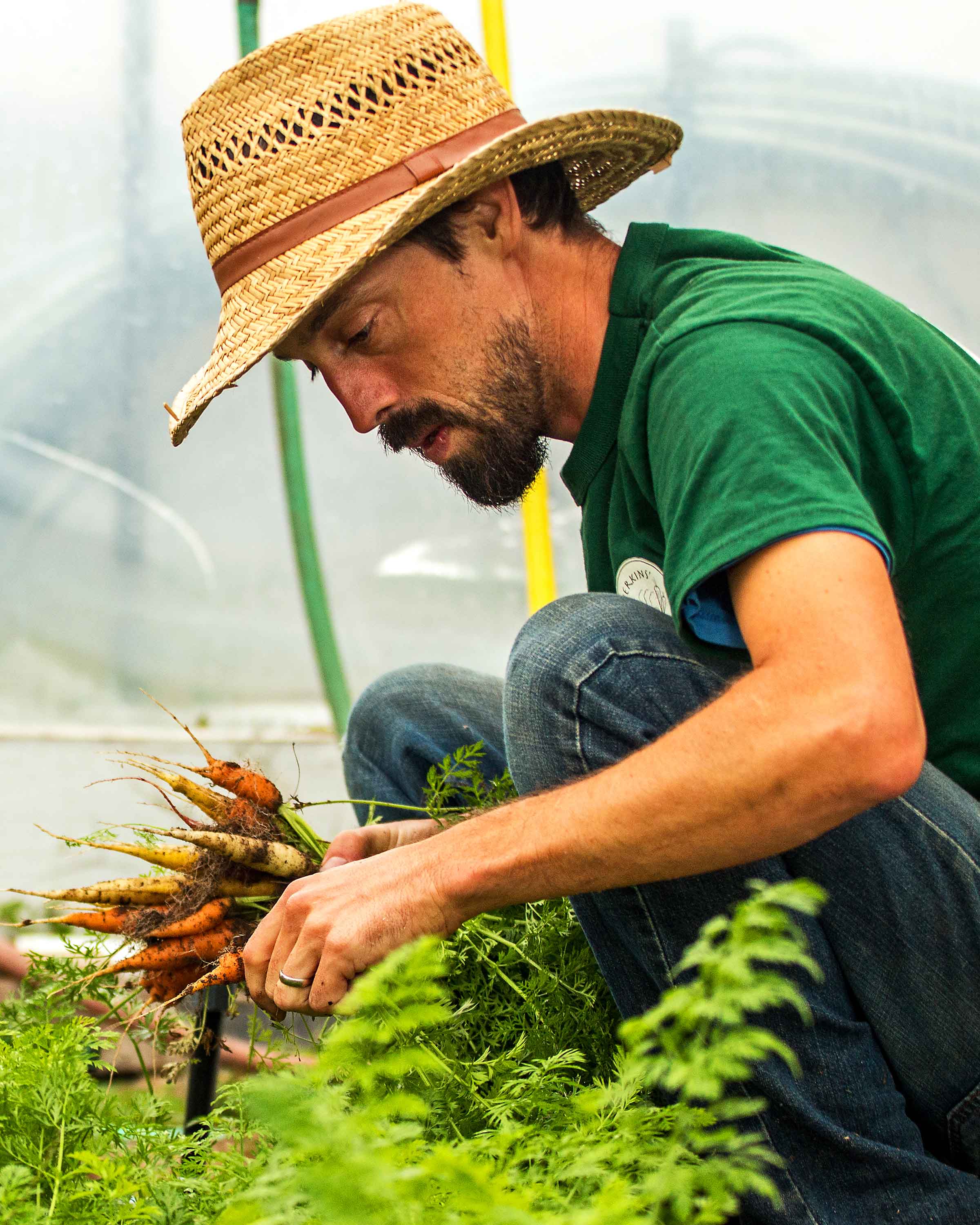
Image of a man harvesting carrots.
Producer

Farmers/producers can learn more about community organizations and resources.

View Resources

Food Safety

Food Safety

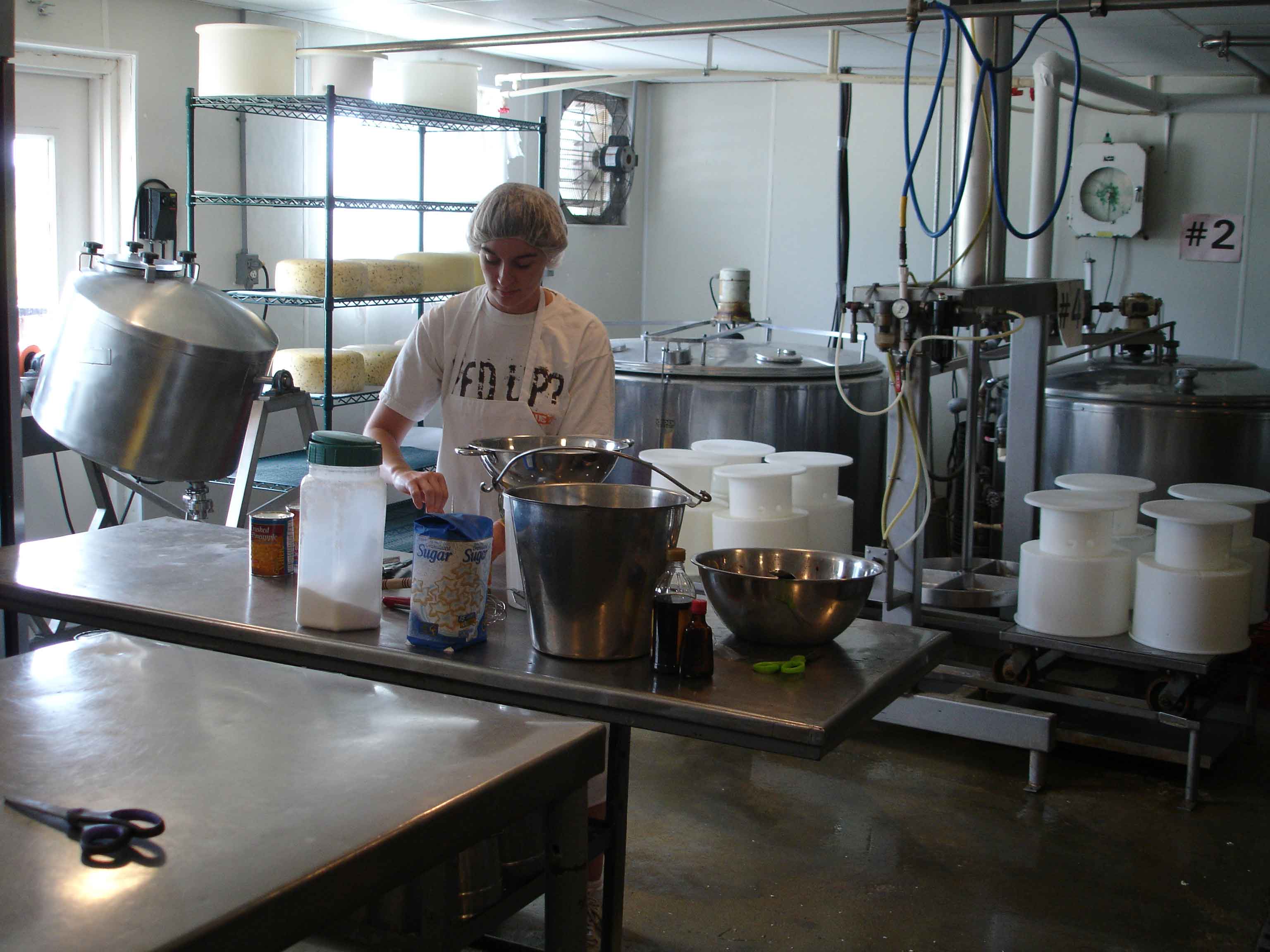
Yegerlehener's On Farm Cheese Production
Food Safety

Learn more about resources related to food safety.

View Resources

Consumer

Consumer

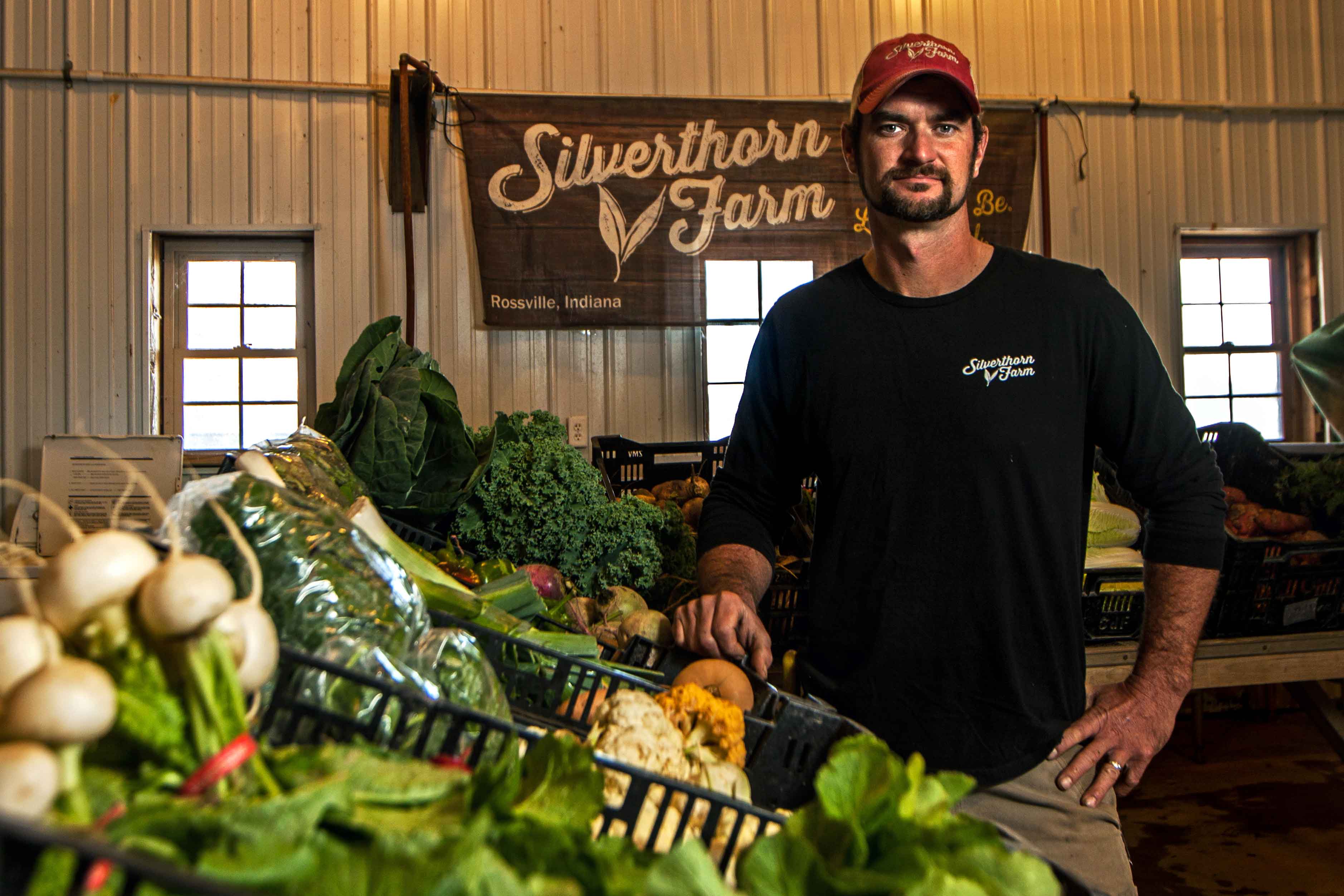
Image of a man standing next to a stand of produce.
Consumer

Learn more about organizations and resources to help consumers navigate our food systems.

View Resources

Food Business and Entrepreneurship

Food Business and Entrepreneurship

Image of a bottle being filled with Maple Syrup
Food Business and Entrepreneurship

Learn more about resources related to Food Business and Entrepreneurship

View Resources

Featured Stories

Purdue Extension.
January Clover Chronicle

Happy New Year, 4-H families! As we begin another exciting year in 4-H, now is a great time to plan ahead.

Read More
tractor
January-February Newsletter 2026

Purdue Extension Knox County 2026 Newsletter, featuring news in all of our program areas. Learn our latest updates from our extension educators.

Read More
Fort Wayne Farm Show logo
Come to the 2026 Fort Wayne Farm Show

The 2026 Fort Wayne Farm Show is set for January 13-15 at the Allen County War Memorial Coliseum in Fort Wayne.

Read More
Woman talking on phone with electronic tablet standing in field looking at farm equipment
Year-End Income Tax Deduction Options

Tis the season for giving and thinking to finalize tax considerations when reflecting on the past calendar year. You may receive a return of a 50 percent direct credit to your tax bill when donating up to $200 per individual and $400 for couples filing jointly, given to an Indiana-funded university. Because Purdue Extension is part of a state-funded university, one can donate to the local Extension Office and that would qualify. Therefore, a $100 contribution to the Purdue Extension-Elkhart County program would cost one only $50. While it might seem I have had too much eggnog, this giving option is for real. The discussion for this column focuses on Elkhart County; these options would most likely be available for any Indiana county if one is reading this with interests from outside of Elkhart County. One can also specify in many cases how the money would be used (i.e. 4-H youth development, agriculture, natural resources, or health and human science educational programming areas or specific equipment, etc. for teaching). One could even specify the gift be used for a specific educational program or topic (i.e. 4-H STEAM, advanced Master Gardener workshop, nutrition education, workforce development workshop, etc.). Some limitations do exist. For example, funds donated for awards or scholarships would not be eligible for the additional direct state tax deduction. Give the Extension office a call and ask about this excellent way you can support community programs for minimal cost to your pocket due to the additional state tax credit. Other options focus on income tax deductions rather than a direct credit. Purdue Extension Educator, Jim Luzar, stated, “Writing a check may not always be the best bang for the buck. Only about 11 percent of taxpayers itemize deductions according to tax data. Most farms will not be itemizing and will take the standard deduction.” The threshold for a standard deduction is $24,000 and a $5,000 check would fall within the standard deduction. However, a gift of $5,000 worth of grain or an animal donation would not fall under the standard deduction umbrella. Donating the $5,000 in the form of a commodity would give the farm a $2,000 federal tax deduction thereby allowing the farm to gift a total of $5,000 for only a cost of $3,000 to the farm. Before donating a commodity, please consult with your tax practitioner and talk with the intended recipient to determine the specific tax benefits of your situation and assure a seamless plan. Another example is that local Extension positions may be endowed with a family name or business for example. There are also family scholarships that may be set up to specifically benefit a county or even multiple counties. Land or other assets may also be willed or donated to sponsor larger gifts as well. This can be done through the Purdue Foundation and also can be done over time and there is no percentage fee taken out of the gift like there are at many foundations. Another possibility for setting up an endowed instrument or contributing to an existing endowment is to utilize “required minimum distributions” (RMD) from IRA’s or other retirement funds that ultimately would otherwise be taxed. These RMD and the associated capital gains can be donated, and the tax liability is removed for both the donor and the recipient who receives the full benefit. To discuss a giving option, contact your local Extension office. In Elkhart County, visit our website at www.extension.purdue.edu/elkhart or you can contact the local office by calling 574-533-0554 for more information regarding this week’s column topic.

Read More
small farm
Virtual Beginning Farmer Program

Purdue Extension is hosting a virtual Beginning Farmer Program for small-scale and urban farmers looking to improve their business planning with a newer farm.

Read More
poinsettia
Poinsettias

The poinsettia, the most popular holiday plant, is best known as the plant with bright red flowers on a green background. Let’s explore their characteristics, their proper care, and discuss the issue of whether they are poisonous to pets.

Read More