

Purdue’s hemp specialist observes birth of a Hoosier industry
T
he hemp plant often thought to be native to North America, originated in the Tibetan Plateau, the world’s largest and highest plateau located in southwestern China. The multi-use plant predominantly harvested for its oil and fiber is gaining popularity with Hoosier growers as regulations change and the hemp byproduct industry grows.
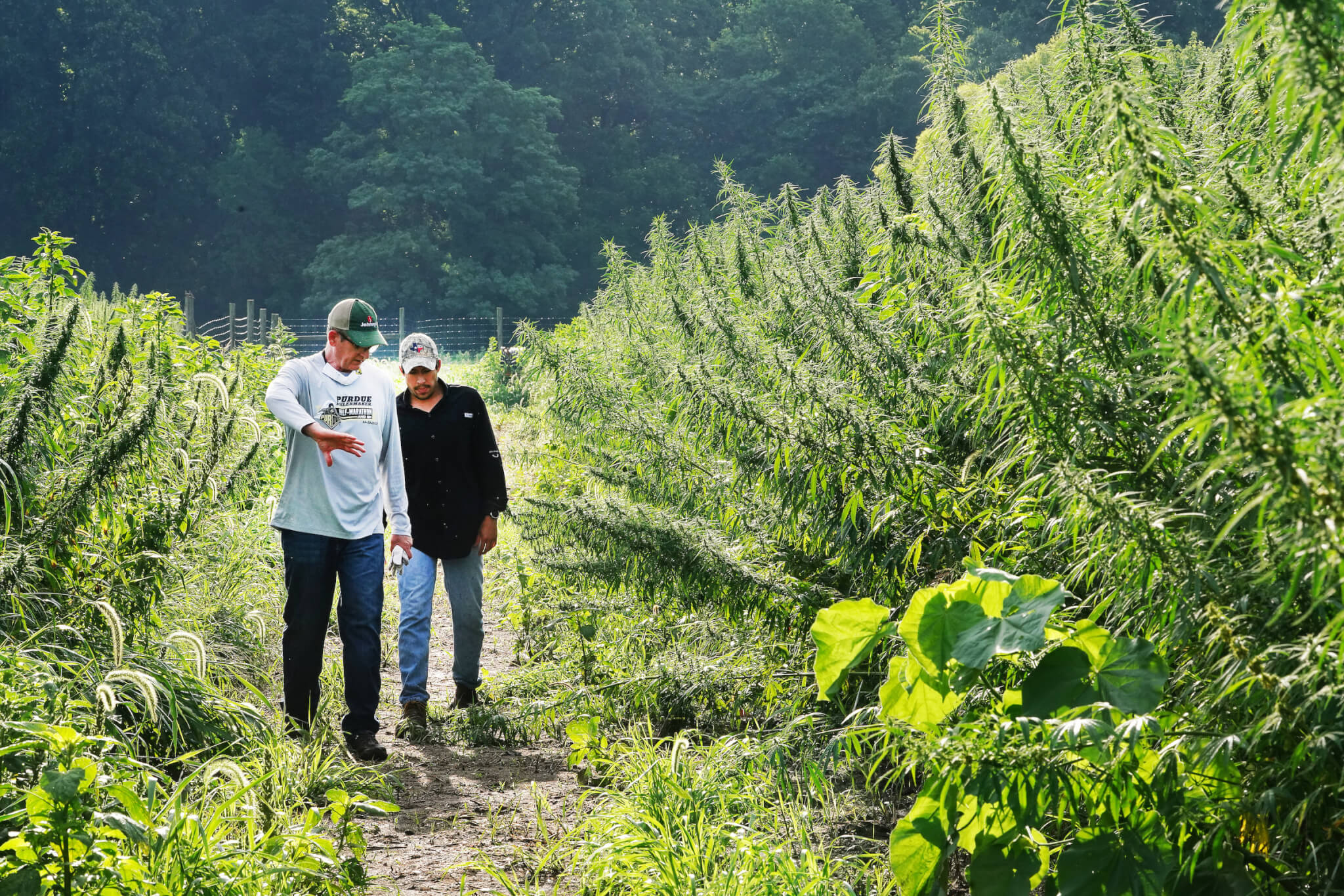
Marguerite Bolt, Purdue Extension’s first hemp production specialist, is guiding Indiana farmers into commercial hemp production. After being hired in the summer of 2019, Bolt quickly became a credible resource for new growers, providing information ranging from obtaining a permit for the crop to addressing hemp production questions.
Bolt has brought her expertise to over 50 in-person field days across Indiana and the Midwest since she was hired. Because of COVID-19, she has transitioned to webinars as well as one-on-one calls. She started an email newsletter that reaches 500-600 people and worked to redesign the Purdue Hemp Project website to be more intuitive for specific grower questions. Through all the resources that Bolt has worked to create, she encourages growers to look into climate and weather data and even other crop production techniques that might be useful to excel in hemp production.
“Purdue Extension county educators are a priceless addition to this industry. Many people getting into the industry didn’t know about their county office before now. It’s been exciting to see new growers realize the resources that Purdue Extension has to offer and see those relationships develop and evolve.”
In October, the U.S. Department of Agriculture approved the Indiana State Hemp Plan, making it legal for Hoosiers to commercially grow and process hemp. Bolt hopes that this will increase the number of hemp growers and processors in Indiana because they won’t have to provide a research proposal.
“I’ve been surprised at how many people are interested in the crop, and also how many people have stuck with it during the early development of the industry in Indiana. That is really exciting as each year they are going to understand the crop and industry more.”
Looking forward, Bolt explained that the ever-changing market for hemp products is a challenge for the industry.
“I think in a 5-year outlook, we will see more grain and fiber production. CBD is really important and has a place in Indiana, but I don’t think it will be the main hemp crop grown. Because we already have traditional row crop production, grain and fiber fit the best in our row crop production farm models.”
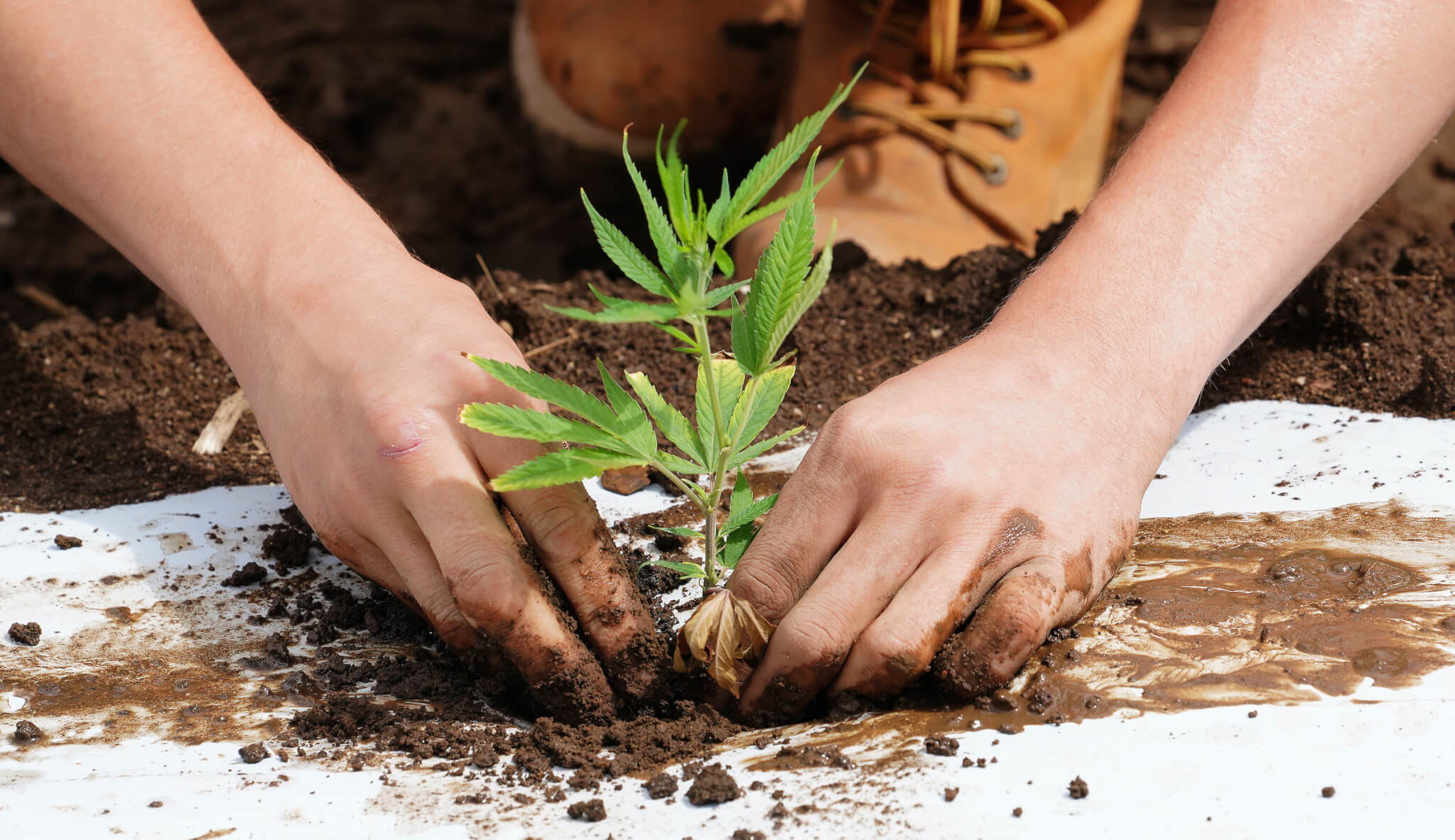
Bolt looks forward to moving past talking about the legalities of growing hemp to the nuances of hemp production and research.
“We’ve had a lot of faculty working on hemp, so I think we are going to be able to provide more detailed guides about production because of the increase in research. I hope that I can shift my talks and Extension’s resources less explaining the rules and regulations and more focused on production and crop management. The goal is for growers to produce an optimal crop rather than constantly worry about licensing and violations.”
Bolt is beginning this transition with the introduction of the Hemp Essentials program, an online, self-paced course that will teach participants about federal and state regulations, agronomic principles, farm economics and genetics and breeding.
“The course is holistic, not only looking at hemp production but also at hemp history, hemp genetics, farm economics and what the hemp industry looks like outside of the farm as it develops. It will not only be helpful for growers but also crop advisors, extension educators and recent graduates interested in hemp production and the industry.”
Featured Stories

WEST LAFAYETTE, Ind. — Purdue Extension’s EDGE in Ag program recognized three...
![4-H volunteer Kristi Kretzmeier, left, stands with her husband, two daughters, two 4-H youth, and a show sheep. One youth, Kyle Albertson, sits in a motorized wheelchair, and his sheep is held in place[MCM1.1] by a specialized wheelchair attachment.](../../2026/08/_media/4-h-volunteers_mobile-square.jpg)
Summer days are for 4-H in the Kretzmeier household. If you’re looking for Kristi...
WEST LAFAYETTE, Ind. — Purdue University’s Department of Horticulture and Landscape...
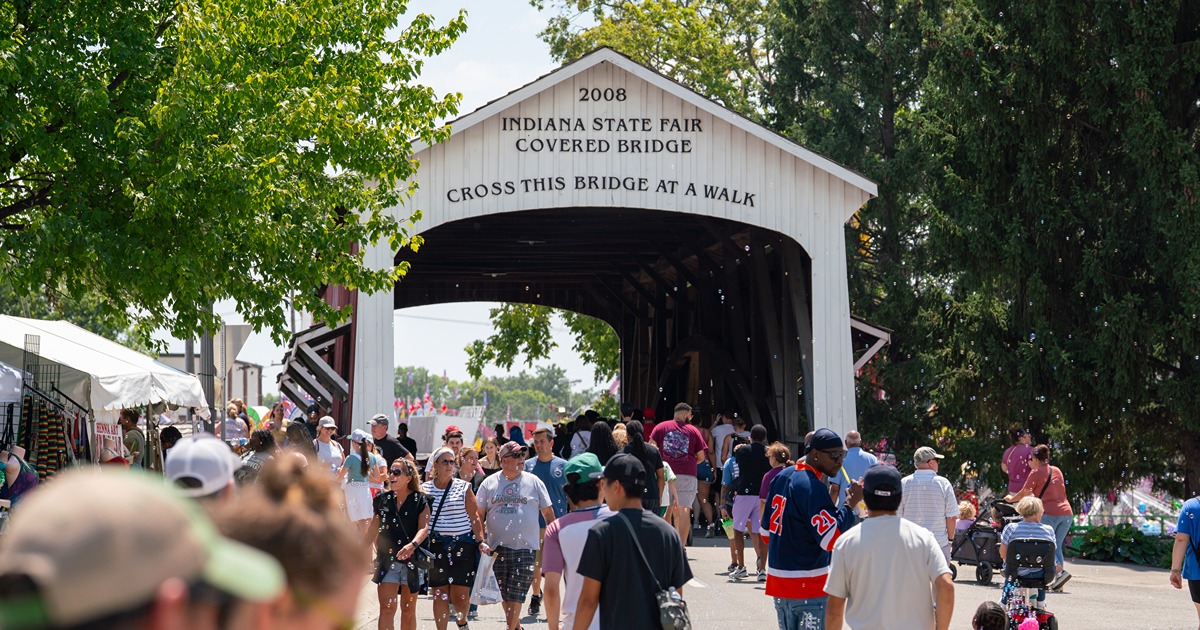
WEST LAFAYETTE, Ind. — The Indiana State Fair kicks off Aug. 7 with the theme “Always...
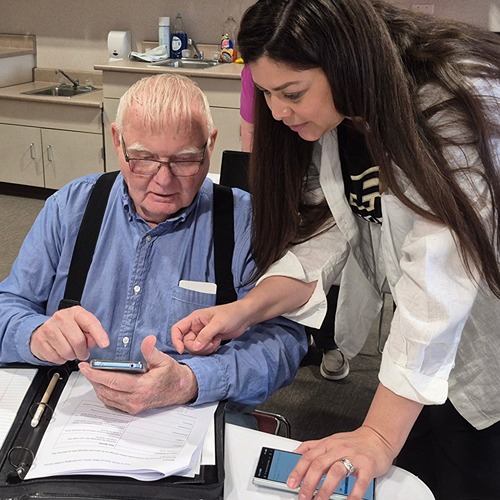
Tom Clements walked into Porter County Aging and Community Services looking for a tutor to help...

With fresh, flavorful strawberries in high demand across Indiana so are Purdue Extension...