

As Hoosier hemp industry grows so do challenges
Hemp is a versatile crop used to make a wide variety of products from textiles and rope to insulation and biofuels. Farmers across the country are increasingly growing the crop since the 2018 Farm Bill allowed for its legal cultivation, although production has dropped off since the initial spike in 2019.
However, as a cannabis plant, the same species as the marijuana plant, hemp farming and its subsequent regulation have experienced some complications.
Marguerite Bolt, hemp Extension specialist, said while there is great economic potential for Hoosier hemp farmers, they should proceed judiciously.
“The hemp market is still nascent and cost of production can still be high, so navigating hemp economics is a big challenge for growers. Issues in finding reliable buyers has led some growers to get out of the industry or try to develop their own products,” she explained. This year marks the first-time hemp can be grown in Indiana as a commercial crop. Previously, hemp growers required a research proposal and university affiliation.
One major requirement of the licensing process growers must complete is that hemp crops must have a Tetrahydrocannabinol (THC) level below 0.3 percent. THC is one of the psychoactive properties of marijuana. Anything with a level above this is considered a marijuana plant.
Earlier this year, growers reported issues with untrustworthy hemp seed, usually purchased online, that grew plants the allowable THC level, although advertised as hemp.
To avoid this issue, Bolt suggested, growers should look for strains that have been tested and grown for several years. The Office of the Indiana State Chemist also provides a list of approved hemp seed vendors.
All hemp seed must be tested by the OISC, not just for THC levels but also for purity, noxious weeds and percent germination. Submitting seed for testing, as now required by state law, helps protect both growers and suppliers, Donald Robison, OISC seed administrator, said.
“If they use and buy from the approved list and something goes wrong, we can help protect them. That’s what we’re here for. If the seed label is inaccurate, but the seller has a permit, we can go through arbitration and help both sides reach a settlement. Alternatively, if a farmer is stealing genetics from a supplier or doesn’t pay their bill, we can help protect the supplier,” he continued.
Despite the complexity of hemp farming, Bolt said she anticipates the industry continuing to expand in Indiana and moving in interesting directions, including grain and fiber production as well as (pending FDA approval) hemp for animal feed.
While hemp is no longer classified as a research crop, the work of Bolt and others to better understand hemp production remains vital to the advancement of the industry in Indiana.
“I know growers who are still participating in research with the university or are conducting their own trials even though they hold a commercial license and research is not a requirement. It is still important for growers to collect production data for their own records.”
Featured Stories

WEST LAFAYETTE, Ind. — Purdue Extension’s EDGE in Ag program recognized three...
![4-H volunteer Kristi Kretzmeier, left, stands with her husband, two daughters, two 4-H youth, and a show sheep. One youth, Kyle Albertson, sits in a motorized wheelchair, and his sheep is held in place[MCM1.1] by a specialized wheelchair attachment.](../../2026/08/_media/4-h-volunteers_mobile-square.jpg)
Summer days are for 4-H in the Kretzmeier household. If you’re looking for Kristi...
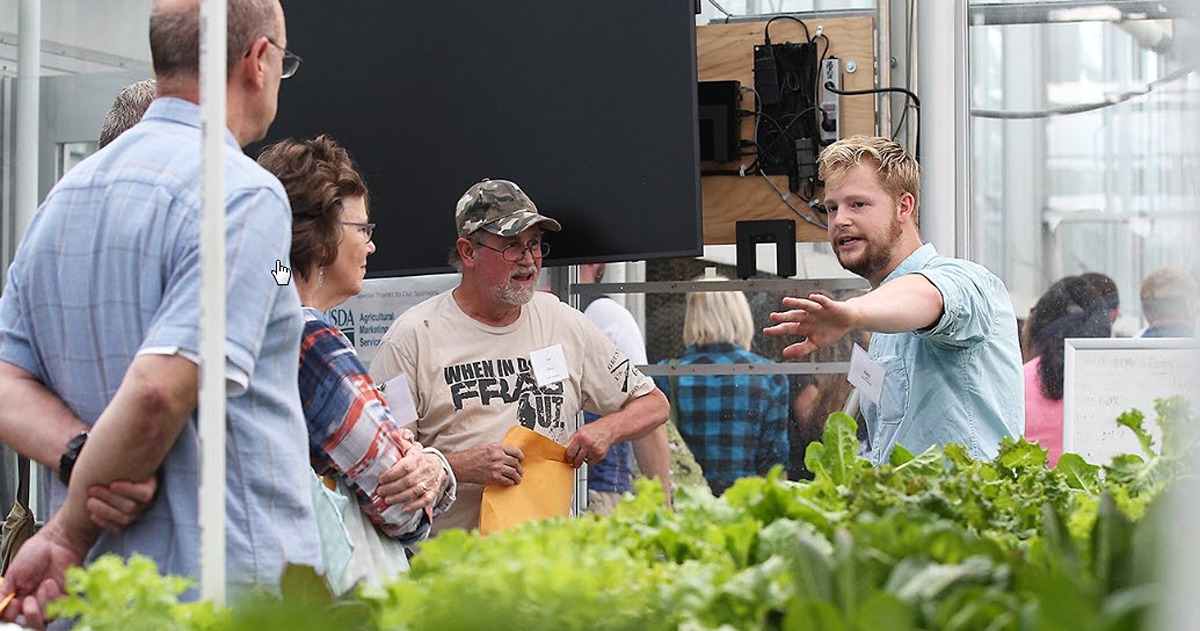
WEST LAFAYETTE, Ind. — Purdue University’s Department of Horticulture and Landscape...
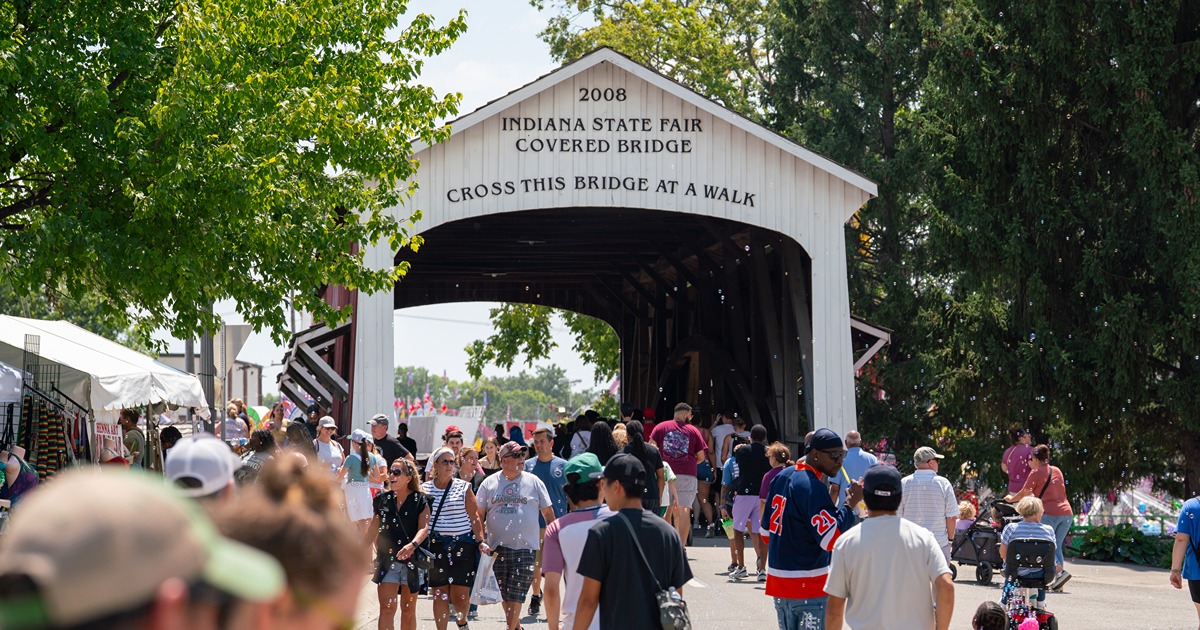
WEST LAFAYETTE, Ind. — The Indiana State Fair kicks off Aug. 7 with the theme “Always...
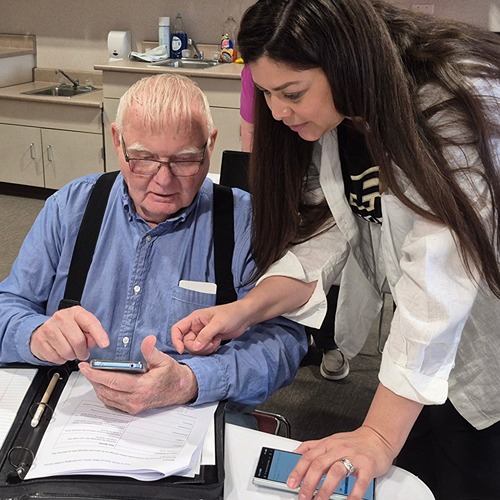
Tom Clements walked into Porter County Aging and Community Services looking for a tutor to help...

With fresh, flavorful strawberries in high demand across Indiana so are Purdue Extension...