

Indiana State Climate Office provides summer outlook
Meteorological summer is here and the outlook for Indiana throughout June, July and August is slightly favoring warmer than normal temperatures with too much uncertainty with regards to precipitation. The national outlook released by the Climate Prediction Center (CPC) factors the current status of the El Nino Southern Oscillation (ENSO) and climate normals.
Summer Precipitation
Indiana is currently experiencing areas of abnormally dry conditions in a few areas across the state. The ultimate deterioration or development of further drought hinges on a combination of future precipitation, temperature and windy conditions. Beth Hall, Indiana state climatologist, explains that it seems to be a battle between how much rain falls and how much evaporates back into the atmosphere.
“This time of year, with temperatures increasing and vegetation growing, we need precipitation to balance what is lost through evapotranspiration. Unfortunately, parts of Indiana have been in some level of dryness or moderate drought since last summer, so we’re actually in a situation where we need precipitation to exceed the amount that is evaporated to avoid transitioning into more intense drought – particularly where ground and surface water supplies are still low,” said Hall.
CPC outlooks call for Indiana to have equal chances of all scenarios for precipitation in June, July and August. The one-month outlook is for above-average precipitation, which hopefully will remove the abnormally dry conditions from the U.S. Drought Monitor and give Indiana a chance for the rest of the summer.
Summer Temperature
Temperatures are predicted to be mildly above average over the summer months. Current models are predicting approximately 0.2-degrees Fahrenheit temperature above normal in southern Indiana with northern and east-central counties only being 0.1-degree Fahrenheit above normal. Discussion of wind speeds is relevant, with some discussion earlier in the year about winds contributing to drier conditions. Winds do create drier conditions, but those wind speeds do not seem to be abnormally greater in 2021 than in 2020 after comparing wind roses for the Evansville Regional Airport for April and May of 2021.
New Climate Normals
The climate normals are a 30-year average of meteorological variables with the most common being temperature and precipitation. This year, we have calculated the 1991-2020 period of averages and replaced the old 1981-2010 set. In Indiana, that means both our average annual and monthly temperature and precipitation values have increased. For instance, the last couple of years have featured outlooks that favored above-normal precipitation and above-normal temperature, partially because the normals were based on a drier and cooler past. These new normal include the recent 10 years of climate data and will balance climate outlooks to be between chances of above-, normal-, or below-average temperatures and precipitation on CPC maps.
El Nino Southern Oscillation (ENSO)
The ENSO is currently neutral. Using the climate patterns viewer tool from the Useful 2 Usable tools (U2U) at the Midwestern Regional Climate Center, no trend away from average temperatures is predicted under ENSO-neutral conditions. June and August precipitation patterns are seen as mildly wetter in some areas of Indiana, but no signal exists for July. This lack of response increases uncertainty and reliance on other tools to predict the summer conditions.
For more information on the seasonal outlook, contact Hans Schmitz at the Purdue Extension – Posey County office via hschmitz@purdue.edu or (812) 838-1331 or the Indiana State Climate Office at (765) 494-8060.
Author: Hans Schmitz, Purdue Extension – Posey County
Featured Stories

WEST LAFAYETTE, Ind. — Purdue Extension’s EDGE in Ag program recognized three...
![4-H volunteer Kristi Kretzmeier, left, stands with her husband, two daughters, two 4-H youth, and a show sheep. One youth, Kyle Albertson, sits in a motorized wheelchair, and his sheep is held in place[MCM1.1] by a specialized wheelchair attachment.](../../2026/08/_media/4-h-volunteers_mobile-square.jpg)
Summer days are for 4-H in the Kretzmeier household. If you’re looking for Kristi...
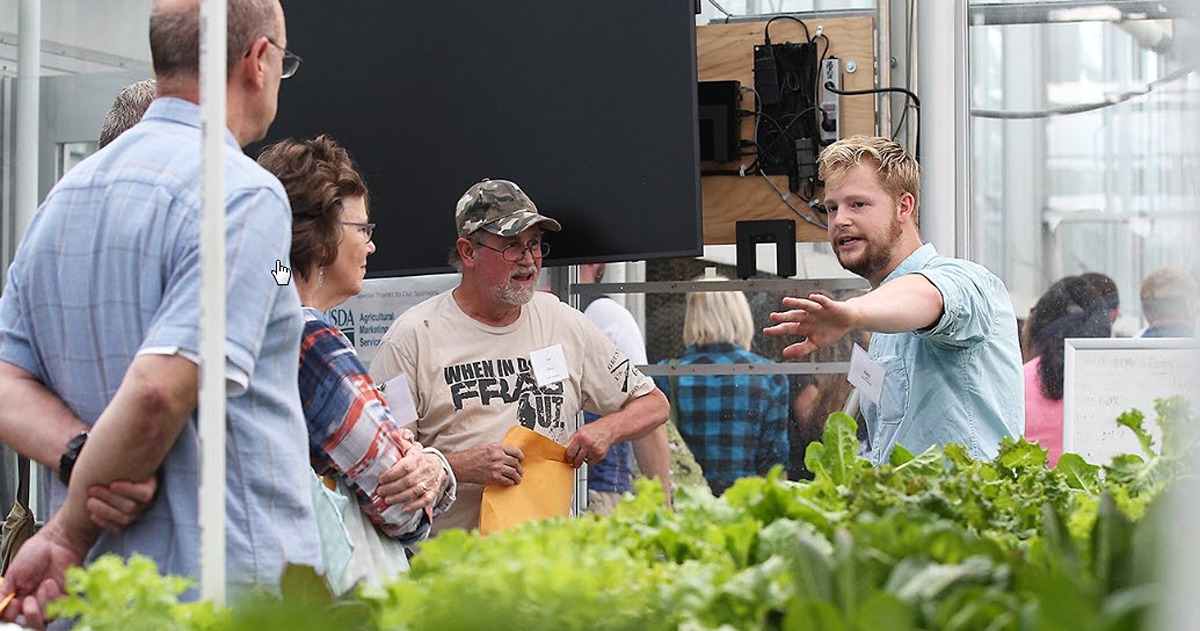
WEST LAFAYETTE, Ind. — Purdue University’s Department of Horticulture and Landscape...
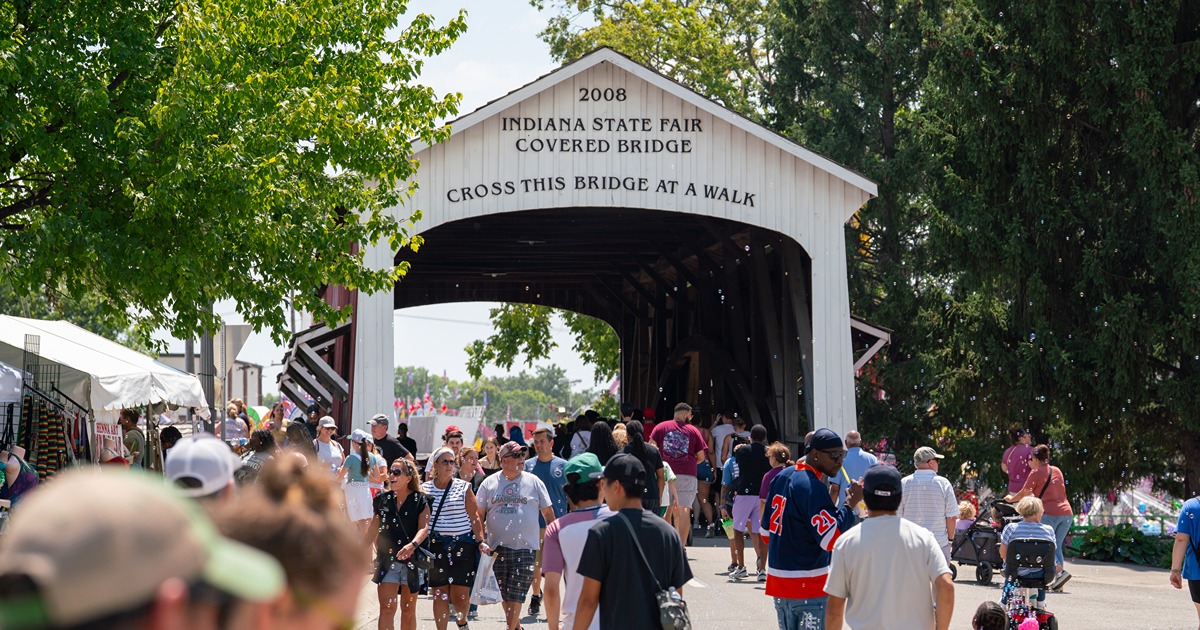
WEST LAFAYETTE, Ind. — The Indiana State Fair kicks off Aug. 7 with the theme “Always...
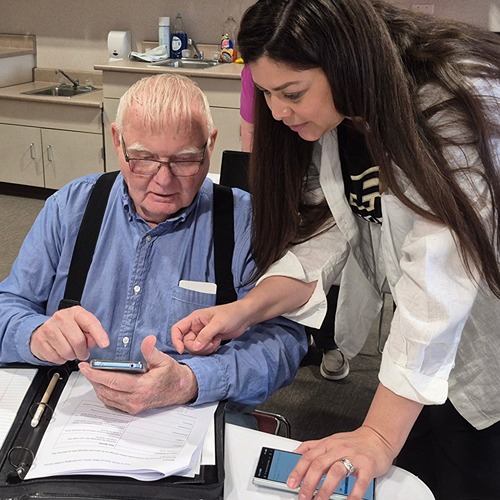
Tom Clements walked into Porter County Aging and Community Services looking for a tutor to help...

With fresh, flavorful strawberries in high demand across Indiana so are Purdue Extension...