

New Program Pays Landowners for Carbon in Their Trees
A program launched across the US on June 1st by the company NCX (formerly called SilviaTerra) is enrolling woodland owners at no cost. The company pays landowners for the carbon captured through postponing harvest for one year.
Landowners can go to the NCX landowners website to learn more about the program and enroll. Simply create an account and identify your property boundaries and submit your application for an analysis of your land’s potential.
NCX uses a large database of US forest inventory to analyze and model harvesting and market information, and will determine the risk of harvest for your property in the next year. If their data shows there is “X" tons of carbon in your trees at risk of harvest in the next year, and you sign up and defer that harvest for a year, you can be paid for the carbon captured by that deferment. If they determine there is no harvest at risk, a landowner can’t participate. A landowner can also choose to defer a portion of the total, which would allow them to thin or harvest some of the property, while deferring other areas.
When considering whether to sign up for this or any carbon payment program, landowners should consider a few factors:
- What are my property objectives? Will this program interfere with other plans for the property? It may be that capturing and getting paid for carbon can happen seamlessly within your plans, but always evaluate the impacts of your activities.
- What does my management plan suggest should happen and when? Straying too much from your plan should be evaluated, and perhaps consider revising your plan if you revise a planned harvest.
- Are there other carbon programs that are a better fit for my property and objectives? There are not a lot of options to date, but a few programs are piloting or considering expansion. And congress and state legislatures are considering bills that may provide different incentives in the future.
- What are the tax implications? Carbon payments may be treated as ordinary income.
- Enrollment is a legal contract with obligations that the landowner must deliver. Penalties may occur if the landowner doesn’t defer the harvest as contracted. Always read the fine print and consider factors that might influence your ability to fulfill your obligation.
Resources:
A New Carbon Program for Hardwood Landowners, June 15th, 2021, Webinar, Walnut Council YouTube Channel
An Introduction to Forest Carbon Offset Markets, Publication, North Carolina State Extension
NCX carbon program for landowners, NCX Carbon Exchange - Landowners
Selling Forest Carbon, Practical Guide PDF, UMass Amherst - MassWoods
Family Forests Carbon program, American Forest Foundation
Carbon market policy initiatives, American Forest Foundation
Liz Jackson, Manager Walnut Council / IN Forestry Woodland Owners Association (IFWOA) & Engage Specialist
Purdue University Department of Forestry and Natural Resources
Featured Stories

WEST LAFAYETTE, Ind. — Purdue Extension’s EDGE in Ag program recognized three...
![4-H volunteer Kristi Kretzmeier, left, stands with her husband, two daughters, two 4-H youth, and a show sheep. One youth, Kyle Albertson, sits in a motorized wheelchair, and his sheep is held in place[MCM1.1] by a specialized wheelchair attachment.](../../2026/08/_media/4-h-volunteers_mobile-square.jpg)
Summer days are for 4-H in the Kretzmeier household. If you’re looking for Kristi...
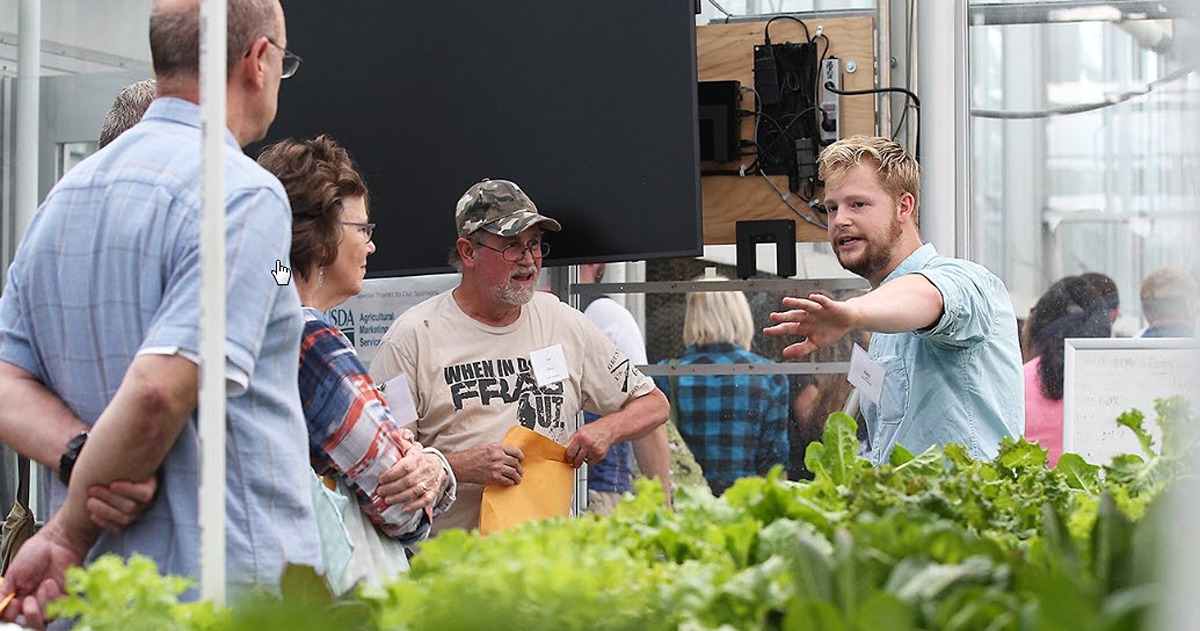
WEST LAFAYETTE, Ind. — Purdue University’s Department of Horticulture and Landscape...

WEST LAFAYETTE, Ind. — The Indiana State Fair kicks off Aug. 7 with the theme “Always...
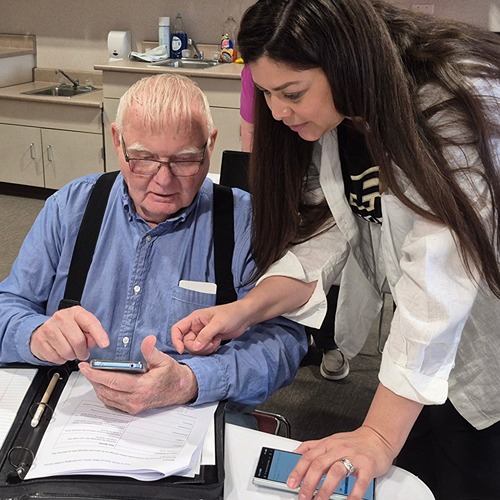
Tom Clements walked into Porter County Aging and Community Services looking for a tutor to help...

With fresh, flavorful strawberries in high demand across Indiana so are Purdue Extension...