

ID that Indiana Tree with Purdue Extension
Spring is in full bloom and trees are beginning to look green again. Learning how to identify trees in yards, neighborhoods and local parks provides insight into the diversity and relationships found in nature. Lenny Farlee, Purdue Extension Forester, shares how to identify trees native to Indiana.
LEAF ARRANGEMENT
Leaf arrangement is one of the first characteristics to check for on deciduous (trees that lose their leaves annually) broadleaved trees that make up the majority of our native species. The two arrangements we commonly find are alternate and opposite.
Opposite arrangement means the leaves are held on the twig directly opposite of one another. Alternate leaf arrangement means the leaves are arranged on the twig in an offset manner. We have one leaf, then another in a zig-zag or spiral fashion.
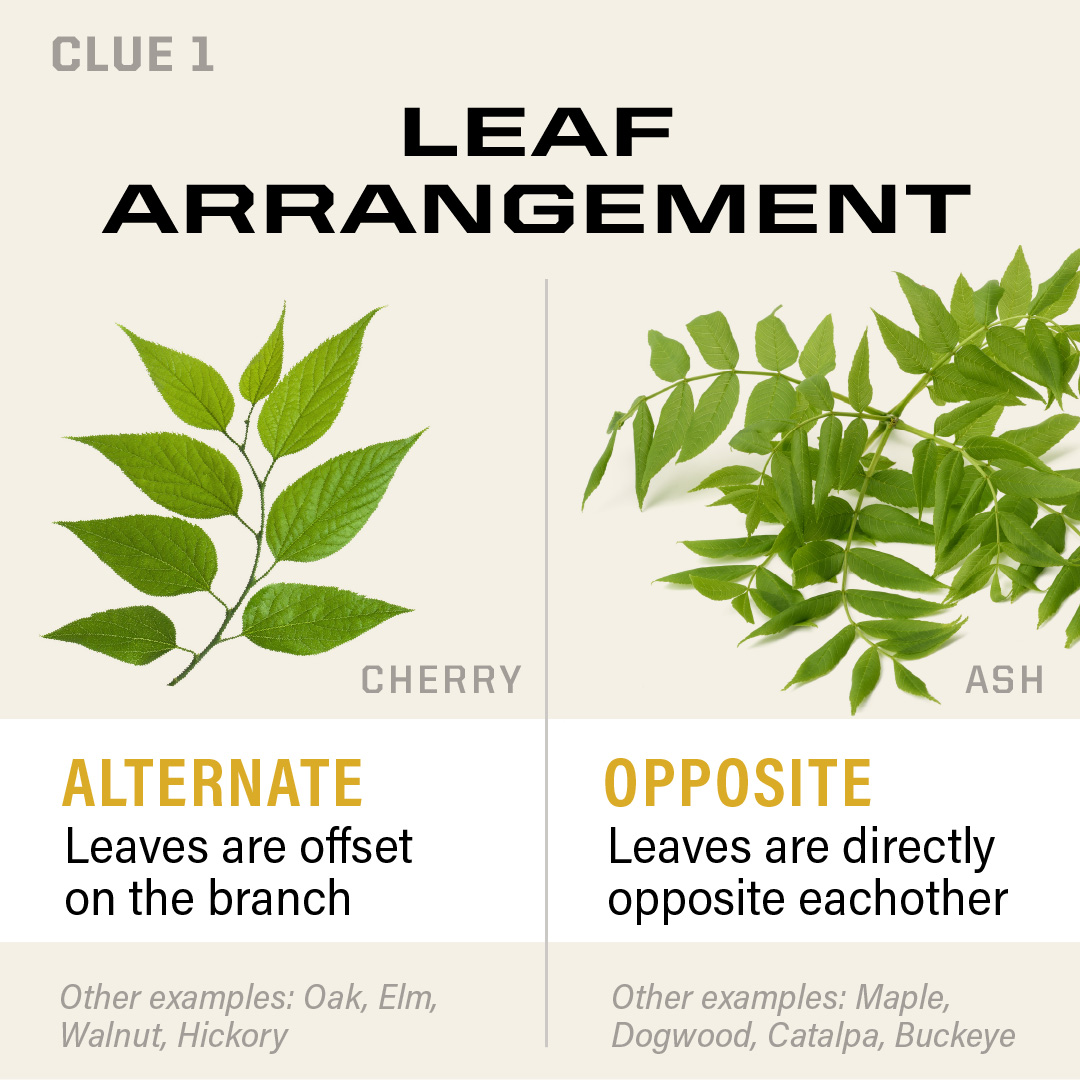
There are only a few native tree families with opposite leaf arrangements: Maple, Ash, Dogwood, Catalpa, Buckeye. You can remember these from the anacronym MAD Cat Buck – Maple, Ash, Dogwood, Catalpa, Buckeye. Almost all other native trees have alternate leaf arrangements.
LEAF TYPES
The next characteristic to check is if the tree has simple or compound leaves. To do this, we need to understand the difference between a leaf and a leaflet. A leaf has a bud at the base of the stem. The entire structure after the bud is the leaf.
A simple leaf is singular and never divided into smaller leaflets. A compound leaf consists of several or many leaflets joined to a single stem after the bud.
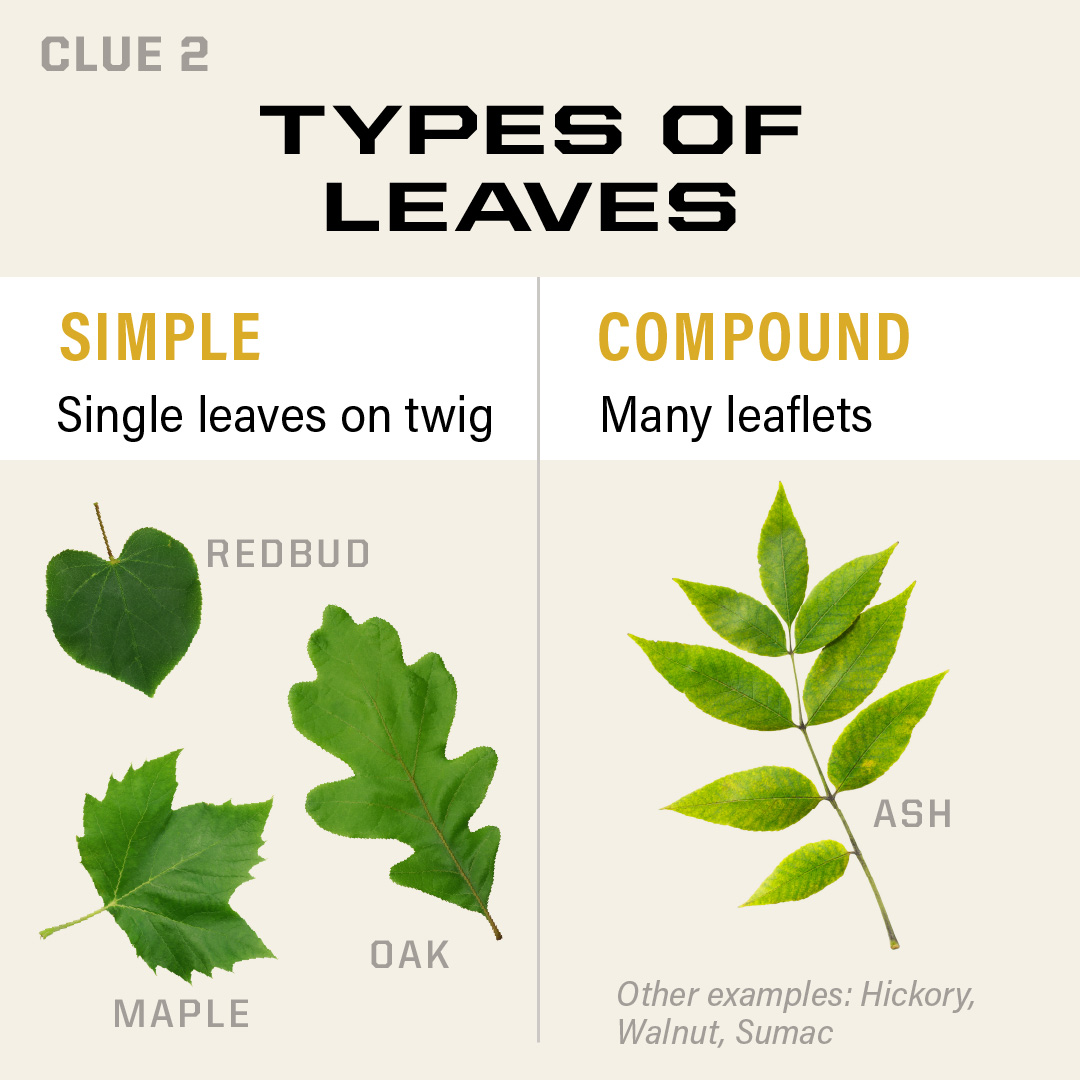
Several tree groups with simple leaves include oaks, cherries, elms, birches and basswoods. Some groups with compound leaves include hickories, walnuts, ash, buckeyes and sumac. Some tree groups have examples of each – most maples have simple leaves, but box-elder has compound leaves.
We have very few trees that have doubly-compound leaves, meaning there are two sets of leaf stems with leaflets arranged on the secondary stems. Devils walking stick, Kentucky coffee tree and sometimes honey locust have doubly-compound leaves.
Fruit
One of the best characteristics for tree identification is the fruit produced. Unfortunately, this may not be available much of the year. The acorns of oaks and the nuts of hickories in particular are very helpful for identification.
Let’s Practice
Let’s take a look at our state tree, the tuliptree. Observing the twigs, we see the leaves are alternating. The twigs are smooth shiny brown and the buds look like a duck’s bill with two large scales. The leaf is unique in shape with 4 to 6 lobes and a broad V-shaped notch at the top.
Using as many characteristics as we can find, in conjunction with a good tree ID key like Purdue Extension’s An Introduction to Trees of Indiana, can assist homeowners to youth with the identification of our native trees.
Featured Stories
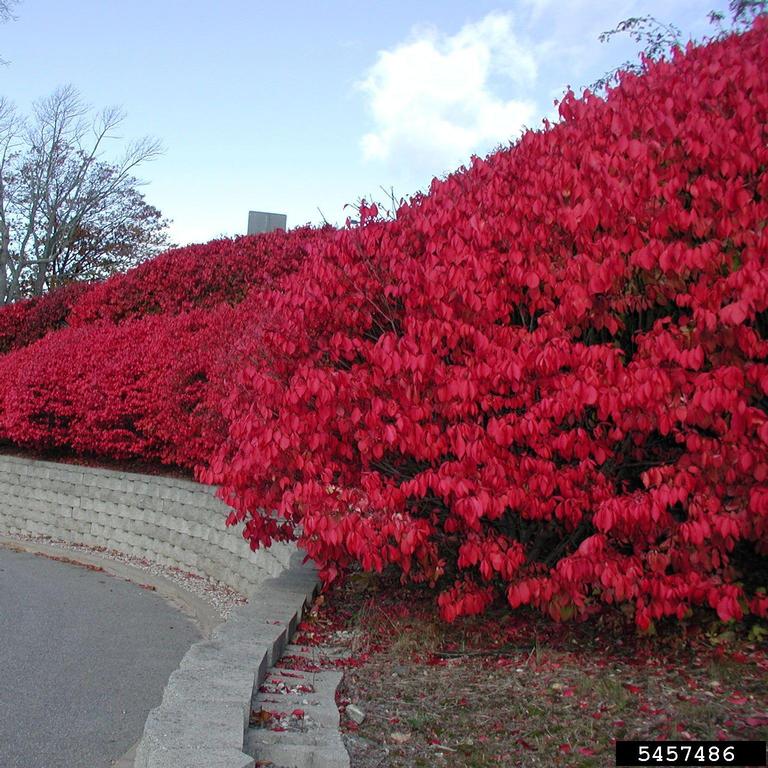
Beauty is not necessarily an overriding virtue for the winged burning bush (Euonymus alatus).

October-November 2026 edition of the Purdue-Extension Washington County Newsletter
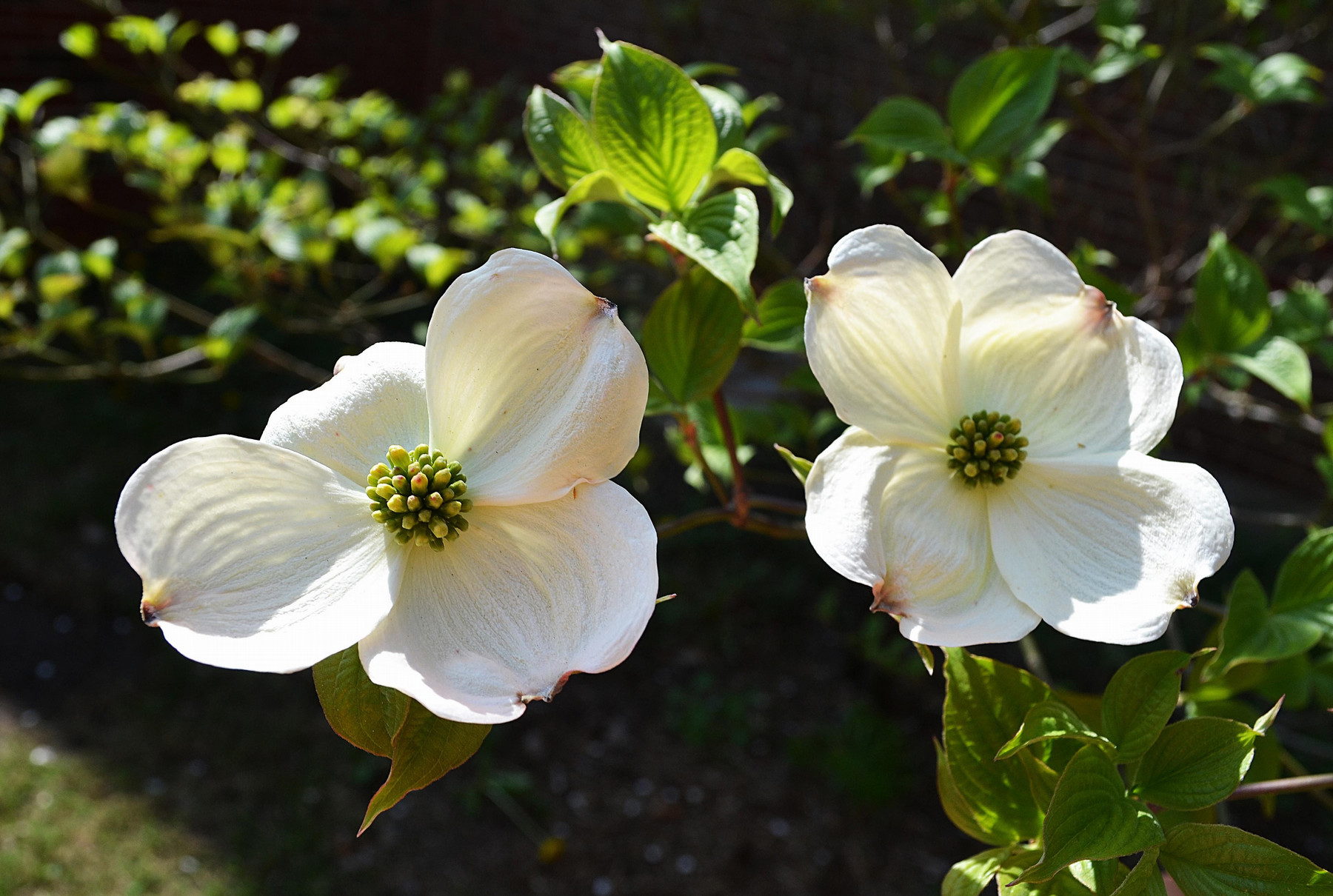
Did you know that we have nine native dogwood species in the Midwest?

The Elkhart County 4-H Fair Board has announced that it will be starting a big expansion project...
This disease has been around for a long time. According to Purdue experts, it is one of the most...
Washington County women landowners are invited to the day-long Your Land, Your Legacy –...