
Which Trees Matter?
In a previous article, we posed and discussed the question: “Why Trees Matter?” And so, it is now appropriate to address “Which Trees Matter?”
There are tens of thousands of wondrous trees in Allen County. Many are magnificent structures of shade and beauty. They are cleansers of the air, taking in carbon dioxide and emitting oxygen. They have stood there as towers of strength as well as peace and tranquility for literally hundreds of years. Which ones are they? Simply, they are the trees that are native to this very region.
That is the answer to the titled question – native, native, native! And why? Native trees and plants in general are best suited for the environment, that is, the soil and climate conditions in which they live. Having already adapted to our local ecological requirements, native trees require less water, very limited additional fertilizer, and relatively little or no pesticides. And they are necessary for appropriate populations of healthy wildlife whether in the form of pollinating insects, birds, reptiles, or mammals.
Native trees and plants in general are best suited for the environment, that is, the soil and climate conditions in which they live.
And so, when area residents think about adding to the value of their property by planting trees, it is only logical to strongly consider that valuable addition to be a native to our region.
On the positive side:
- For an ecosystem to remain balanced and in proper function, it must have a wide diversity of wildlife to interact and work in harmony. Many critters (insects, birds, and mammals) depend on native trees as shelter for their homes and food for their sustenance. They’ll thank you for planting them as many songbirds, butterflies, and moths, show up to take shelter, feed, and raise their young.
- Sometimes our climate is a bit of a roller-coaster ride – extensive hot and dry periods and then also cold and damp conditions. Native trees are well-adapted to the local climate, which means they will have the best chance at survival.
- While non-natives sometimes cannot fend off local pests and diseases, native trees often do not have as many of these types of problems. Once established, they are easier to grow as they are already adapted to our soil and climate. They do not need extra fertilizers and pesticides to grow and thrive.
- One of the most significant problems with non-natives is that they can tend to very aggressive in propagation and can be extremely invasive, crowding out the desirable native trees that are less prolific in reproduction. Of course, there are some negatives as well:
- First of all, native trees can be a little hard to find. Several local nurseries and landscape outlets do not carry these stalwarts. There is a tendency to offer more flashy, exotic varieties. While sometimes visually desirable, they do not have the same strength and durability as natives.
- And just because the tree is a native, it might not be the right tree for your situation. Considerations include amount of sunlight, amount of moisture in the soil, soil type (sand vs. clay), and the amount of space for the tree to grow. Recommended canopy tree varieties include the oak and hickory families, along with some maples (sugar and red), tulip trees, and others depending on location and soil conditions. Lower story native trees, pictured below, include flowering dogwood, eastern redbud, and some crabapple varieties So which trees matter? Go native! Their variety, longevity, and pure beauty will enhance our region for decades and centuries to come.
References
Native Trees of Indiana | Arbor Rangers ™
Featured Stories
When Terry Briscoe’s doctor recommended the Food Is Medicine program led by Purdue...
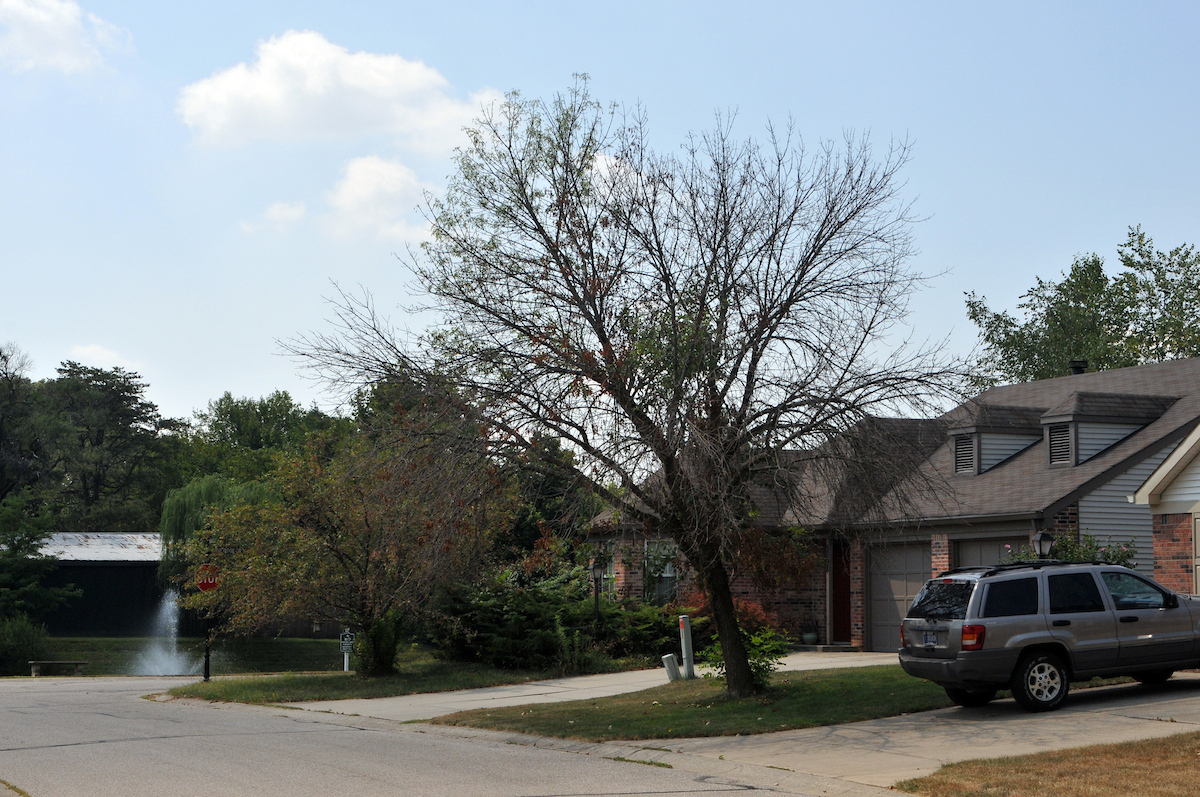
“I lost my prized shade tree! What can I plant that will grow fast and give me shade?”
The Washington County Cattlemen’s Association, Spring Mill Veterinary Service, and Purdue...
The Washington County Cattlemen’s Association is hosting their annual meeting on Thursday,...
The Washington County Sheep Association is hosting their annual “A Taste of Lamb”...

Indiana farmers seeking to strengthen their grain marketing strategies during uncertain economic...