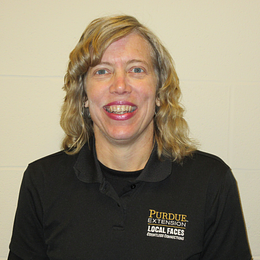
Dearborn County Health and Human Sciences

Purdue Extension Health and Human Sciences provides education to people of all ages in Indiana’s 92 counties. The community is our classroom — where we bring university information to the local level and help people strengthen families, spend smart, eat right, and live well.

Contact Us

Marcia Parcell
mparcell@purdue.edu
229 Main Street 
Aurora, IN 47001
(812) 926-1189


Learn more about upcoming Health & Human Sciences events.

newspaper.jpgLearn more about upcoming Health & Human Sciences events by reading the monthly newsletters below.

                                                                                                            October 2025

Dear Friends,                                                                                                                                                      

                Rain and cooler temperatures are reminders that the season has changed.  Welcome autumn!  Autumn means time to put gardens and flowerbeds to bed for winter.  Inside the house, it is time for the fall cleaning chores or getting organized for more time inside and holiday gatherings. I have included an article on this topic.  I was intrigued by the thought at the end of the article.  Making a “to do” list prioritizes your work for the day.  It also reminds me to tackle difficult tasks at the start of the day. I hope your October activities prepare you for the rest of 2025!

                I have included information to celebrate fall foods like apples and butternut squash, to address financial planning, to increase awareness of breast cancer, to add some fun to dinner with fun games, and jokes, and to try some new activities in autumn.  My autumn activities include finishing up Food is Medicine-Dearborn County, travelling to NEAFCS Annual Session in Grand Rapids, Michigan, celebrating Apple Crunch at the Lawrenceburg Farmers Market and with other groups, and preparing for other programming in the weeks ahead.  Whatever your activities, may they bring you joy and happiness. I hope you find the time to take each moment of autumn a special memory for you and your loved ones!

Best Regards,

Marcia Parcell
Extension Educator, Health and Human Sciences


Dates to Remember

August 6—October 29—Get Walkin’.

October 19-23—NEAFCS (National Extension Association of Family Consumer Sciences) annual session, Grand Rapids, MI.

October 21—Annual Extension Board meeting, 6:00pm, Extension Office Conference Room.

November 11—Veteran’s Day, Extension Office closed.

November 27-28—Extension Office closed for Thanksgiving.

December 3—In The Kitchen With Marcia, North Dearborn Public Library, 6:00-7:00pm. Registration is required. Go to:

 https://lawrenceburg.librarycalendar.com/event/kitchen-marcia-14571 or call the library at 812-637-0777 to register.

Decenber 3 & 5—Professional Development Conference.

December 11—Extension Office closed for team building exercise.

December 24—Extension Office closed.

December 25-26—Extension Office closed for Christmas.


Get Organized Week (First Week of October)                                                                                         

Did you know that clutter can slow you down?  It’s a great time to get rid of the old stuff and get organized.  Now is the time to buy your organizing products.  They are advertised just about everywhere you shop.

The first tip to becoming organized is to learn to get rid of things that are so important to you but you never use.  Things like college notebooks, college textbooks, clothes you haven’t worn in years, magazines and your teddy bear you had as a child.

Work in fifteen-minute blocks.  Allow fifteen minutes at some point every day to put away, hang up clothes, and pick up items.  Stop after fifteen minutes so it’s not long enough to be a chore, but enough time so that something is accomplished.  Let your motto be: “Don’t put it down, put it away.”

If you have items that you use once a year, like Christmas decorations, put these in the attic.  This frees up more room in your home.  All my yearly decorations are boxed up in my attic.  A good way to keep up with what is in the box is to label the boxes 1, 2, 3.  On an index card write the box number then write the content of that box and file it in a small filing box.  This way you don’t have to look through each box to find the item you want or you are not in your cold/hot attic reading the end of the box contents.

 We all are working towards helping our children to become more independent.  You can do this by making closets accessible for your children.  Make sure they can reach the closet rod, so they can hang up their clothing.  Put covered baskets in each of your kid’s rooms.  When you pick up their clutter all over the house, it goes in that basket.  It will be their job to separate it and put it away.  Keep a basket in their room for dirty clothes.  Encourage them to take this basket to the laundry room at least once a week.  If their favorite outfit is not clean, remind them they didn’t get the clothes to the laundry room to be washed. 

Children’s toys are best kept on a bookshelf.  They are easy for children to reach and for them to put away.  Small square baskets are great for small toys, puzzle pieces, and games.  The baskets easily slide on and off the shelf and all small game pieces are easy to keep up with.  Help your children and other family members to learn this motto: “Don’t put it down, put it away.”

Children should have a clean, clear, quiet place to do their homework.  This could be a desk in their bedroom, the kitchen table, or any table or desk in a quiet place in your home.

Now is the time to file important papers for income tax purposes.  Keep up with all your receipts in a box or envelope.  This will save you time and a lot of frustration looking for the information at the end of the year.  File important papers: Insurance policies, special letters, pet medical records, appliance warranties and children’s artwork.  Use different colored folders to separate the materials.

Now is probably a good time to check your freezer too.  After the electricity goes out, food that has thawed out has to be cooked.  If there are ice crystals on the food, then it is O.K. to refreeze it.  Label all meats, casseroles, frozen vegetable and fruit.  Rotate frozen foods and use in the order of date, using older date first.  Frozen fresh meat and vegetables can be kept frozen for up to one year.  Frozen casseroles and fruit will keep up to four to six months.  Food that is freezer burned is not harmful but the flavor and texture does change.

 You don’t have to buy expensive day planners to stay organized.  Using a small notebook can keep you organized.  Each day prioritize your “to do” list.  Also, write down work and personal errands on the same page.  If you don’t accomplish everything that day it moves over to the next day.  Keep one calendar of events and write all activities on this calendar such as work appointments, church and school activities.  When you look at this calendar every day, it will keep you organized and on schedule in all areas of your life.

October is Financial Planning Month

Milestone Wins At Work:  Turning Income Growth Into Goal Growth

Career milestones like promotions, annual raises, and bonuses are worth celebrating, and not just for the recognition, but also for the financial opportunities they bring. While it’s tempting to upgrade your lifestyle right away, these moments offer a powerful chance to make meaningful progress toward your savings goals.

Let’s talk about how to turn those career wins into long-term financial wins.

Avoiding Lifestyle Inflation (aka – Lifestyle Creep)

Lifestyle inflation happens when your spending increases along with your income. It’s the natural urge to “treat yourself” with a new car, bigger home, or other upgrade when more money starts coming in.

The problem? These new expenses can eat up the extra income before you’ve had a chance to build savings, pay off debt, or invest in your future.

That’s why it’s so important to be intentional with your “extra” income, so it works for you by helping you reach the big financial milestones that matter most.


Ways to Use a Bonus or Raise

  • Pay Yourself First. Before doing anything else, consider automatically directing a portion of your raise or bonus into savings. If you’ve already been living comfortably without the extra income, this is a painless way to boost your emergency fund or work toward a specific milestone, like a vacationhome down payment, or retirement.
  • Increase Your Retirement Contributions. Use this opportunity to up your contributions to your workplace retirement plan or IRA. Even a small increase can make a big difference over time, especially when paired with an employer match.
  • Pay Down High-Interest Debt
    If you’re carrying credit card or other high-interest debt, use your extra income to reduce your balance faster. This frees up more money each month and saves you money in interest long-term.
  • Build or Replenish Your Emergency Fund. If you’ve dipped into your emergency fund recently (or haven’t built one yet) this is a great time to get started. Aim for at least $500 to begin and build from there.
  • Celebrate Mindfully. It’s okay to reward yourself! Just set a limit (maybe 10–15% of your bonus) for a small splurge that brings joy, while using the rest to strengthen your financial foundation.
  • Set a Savings Milestone with Each Promotion. Treat every promotion or raise as a milestone moment, not just in your career, but in your savings journey. Create a plan for how each increase in income will help you reach your next big goal, invest in your future self and reduce money stress.

Small changes today lead to big wins tomorrowA promotion, raise, or bonus isn’t just a reward for past performance - it’s a tool for building the future you want. By pausing to plan and save before you spend, you can turn a moment of financial gain into long-lasting stability and success.

Take the America Saves Pledge.  Ready to commit to making the most of your money? Take the America Saves Pledge and choose a savings goal that matters to you. We'll support you with tips, tools, and reminders along the way.

Have you reached a financial milestone thanks to saving at work? Maybe you used automatic savings to build an emergency fund, buy a home, or finally pay off a debt. We want to hear your story!

Share how workplace savings helped you achieve a milestone, and you could be featured in an upcoming America Saves Story. As a thank you, we’ll send you $50 gift card if we use your submission!

Source:  https://americasaves.org/resource-center/insights/milestone-wins-at-work-turning-income-growth-into-goal-growth/              


October is National Cookie Month

Try the Best Chocolate Chip Cookies Recipe below.  They will feed you and a lot of your friends.

Best Chocolate Chip Cookies

Yield: 100 cookies

5 cups rolled oats                                                2 cups packed brown sugar

4 cups flour                                                           2 cups sugar

2 teaspoons baking powder                              4 eggs

2 teaspoons baking soda                                   2 teaspoons vanilla extract

1 teaspoon salt                                                     24 ounces milk chocolate or semisweet chocolate chips

2 cups butter, softened                                       3 cups chopped pecans or walnuts


Preheat oven to 350 degrees.  Process the oats in a food processor to a fine powder.  Combine the processed oats, flour, baking powder, baking soda and salt in a bowl and mix well.  Beat the butter, brown sugar and sugar in a mixer bowl until light and fluffy.  Beat in the eggs and vanilla.  Add the dry ingredients gradually, mixing well after each addition.  Stir in the chocolate chips and pecans.  Drop by large scoopfuls 2 inches apart onto greased cookie sheets.  Bake for 10 minutes; do not overbake.

Source:  Celebrating Indiana Hospitality Picnics, Potlucks & Prized Winners with 4-H Families and Friends


October is National Apple Month

I challenge you to crunch an apple in a lettuce salad, turkey burgers, or salsa.  Tell us about your experience in the apple challenge poll:        ð I loved it.            ð Maybe a different recipe.                ð  No thanks.


Apple and Arugula Summer Salad

Serves: 2

Salad:

180 g arugula (approximately 1 cup)                                60 g dried cranberries (approximately 1/3 cup)

90 g crumbled goat cheese (approximately 2/3 cup)     2 Pink Lady apples, chopped

30 g crushed walnuts (approximately ¼ cup)                 2 mandarins, cut in half and sliced


Dressing:

2 tablespoons olive oil                                                        2 teaspoons honey

4 teaspoons balsamic vinegar                                          Generous pinch of salt

1 teaspoon Dijon mustard                                                  Generous pinch of pepper

2 garlic cloves, crushed                                                      Generous pinch of sugar


Prepare the dressing:  Combine all dressing ingredients in a small bowl or jar.  Mix well and place in the fridge to chill and thicken slightly.  Assemble the salad:  In a large bowl, combine arugula, goat cheese, walnuts, cranberries, chopped apple, and mandarin slices.  Dress and toss: Drizzle the chilled dressing over the salad and toss vigorously to combine.  Serve and smile!

Source: thefamilydinnerproject.org

Apple-Turkey Burgers With Cranberry-Apple Salsa

Servings: 4

Cranberry-Apple Salsa:

2 tablespoons sugar                                                                           1 cup whole cranberry sauce

2 tablespoons cider vinegar                                                              ½ cup scallions, finely chopped

2 tablespoons fresh lemon juice                                                       1 jalapeno pepper, stemmed, seeded, and finely chopped

3 sweet apples, peeled, cored, & chopped (about 2 cups)           2 tablespoons chopped fresh cilantro, optional


Apple-Turkey Burgers:

1 lb. ground turkey                                                                               ¼ teaspoon ground cinnamon

1 large apple, grated                                                                           Cooking spray

½ teaspoon salt                                                                                    4 2-ounce whole wheat hamburger buns, toasted

½ teaspoon black pepper


To prepare salsa, combine sugar, cider vinegar, and lemon juice in a medium saucepan and bring to a boil.  Add half of the chopped apples, stirring well; cover and reduce heat.  Cook gently until apples are soft and mash with a potato masher until almost smooth.  Add cranberry sauce to apple mixture and let cool slightly.  Add the remaining apples, scallions, jalapenos, and cilantro if desired.  Serve with Apple-Turkey Burgers. Refrigerate any remaining salsa for up to 3 days.

To prepare burgers, combine turkey, apple, salt, pepper, and cinnamon in a medium bowl.  Divide turkey mixture into 4 equal portions, shaping each into a patty.  Lightly coat a large skillet or grill pan with cooking spray and place over medium-high heat.  Cook turkey burgers 6 to 8 minutes per side or until done.  Serve on toasted buns with Cranberry-Apple Salsa.

Source: New York State Apple Variety Guide


Harvest the Flavors of Fall

Fall Produce to Add to Your Plate

                Apples:  High in fiber and vitamin C, apples support digestion and immunity.  Try them sliced with nut butter or baked with cinnamon.

                Winter Squash (butternut, acorn, spaghetti):  High in beta-carotene, which your body converts into vitamin A to keep your eyes, skin, and immune system strong.  Roast them (https://therealfooddietitians.com/herb-roasted-parmesan-acorn-squash/) for a hearty side dish or blend into soup.

                Sweet Potatoes:  Rich in fiber, potassium, and vitamin A, these may help regulate blood pressure, keep you feeling full, and support immune health.  Bake, mash, or cube for grain bowls.  Try these Garlic Honey Roasted Sweet Potatoes (https://easyweeknightrecipes.com/garlic-honey-roasted-sweet-potatoes/).

                Leafy Greens (https://healthymonday.com/nutrition/the-health-benefits-of-leafy-greens-and-how-to-prepare-them) (kale, collards, Swiss chard):  Excellent sources of vitamin K, folate, and minerals that help ward off disease.  Sauté with garlic or add to stews for a nutrient boost.

                Pears:  Juicy and high in soluble fiber, which feeds the good bacteria in your gut and supports digestion.  They’re also rich in antioxidants and vitamin C, and make a naturally sweet snack or salad topper.

                Why It Matters:  A plate filled with fruits and vegetables does more than satisfy hunger.  Balanced diets rich in produce are linked to a lower risk of heart disease, diabetes, and some cancers.  The fiber, antioxidants, and vitamins in seasonal foods also support gut health, which plays a big role in both immunity and mental well-being.  By leaning into fall’s bounty, you give your body the tools it needs to stay resilient through the season.

                Add at least one seasonal fruit or vegetable to your meals.  Explore what’s fresh at your market and enjoy the flavors of autumn on your plate.

Source:  https://healthymonday.com


Butternut Squash with Herbs

Servings: 4

1 lb. butternut squash                                                         ¼ cup low-sodium chicken stock

1 teaspoon olive oil                                                             ½ teaspoon fresh tarragon

1 cup onion, thinly sliced                                                    1 tablespoon fresh parsley

3 large mushrooms                                                             1 ½ teaspoon fresh chives, snipped


Peel the squash, remove the seeds and cut into ¾-inch cubes.  Heat oil in a large non-stick frying pan over medium-low heat, add onions and mushrooms.  Sauté for about 5 minutes until onions soften.  Add squash and chicken stock.  Cover tightly and cook until squash is tender, about 20 minutes.  Remove the cover and cook a minute or two longer to evaporate most of the remaining liquid.  Sprinkle on the parsley, chives, and tarragon. 

Source:  www.fruitsandveggiesmorematters.org

October is Breast Cancer Awareness Month

Breast Cancer Awareness Month is to increase awareness and give hope to those diagnosed with breast cancer or those who have survived it. 


Breast Cancer-Key facts

  • Breast cancer caused an estimated 670,000 deaths globally in 2022.
  • Roughly half of all breast cancers occur in women with no specific risk factors other than sex and age.
  • Breast cancer was the most common cancer in women in 157 countries out of 185 in 2022.
  • Breast cancer occurs in every country in the world.
  • Approximately 0.5-1% of breast cancers occur in men.
  • Effective interventions for early and timely diagnosis linked to comprehensive treatment, rehabilitation and palliative care are essential to reduce the burden of breast cancer and to achieve and maintain optimal functioning and well-being.

Overview

                Breast cancer is a disease in which abnormal breast cells grow out of control and form tumours.  If left unchecked, the tumours can spread throughout the body and become fatal.

                Breast cancer cells begin inside the milk ducts and/or the milk-producing lobules of the breast.  The earliest form (in situ) is not life-threatening and can be detected in early stages.  Cancer cells can spread into nearby breast tissue (invasion).  This creates tumours that cause lumps or thickening.

                Invasive cancers can spread to nearby lymph nodes or other organs (metastasize).  Metastasis can be life-threatening and fatal.

                Treatment is based on the person, the type of cancer and its spread.  Treatment combines surgery, radiation therapy and medications.

Signs and symptoms

                Most people will not experience any sumptoms when the cancer is still early hence the importance of early detection.

                Breast cancer can have combinations of symptoms, especially when it is more advanced.  Symptoms of breast cancer can include:

  • A breast lump or thickening, often without pain
  • Change in size, shape or appearance of the breast
  • Dimpling, redness, pitting or other changes in the skin
  • Change in nipple appearance or the skin surrounding the nipple (areola)
  • Abnormal or bloody fluid from the nipple

People with an abnormal breast lump should seek medical care, even if the lump does not hurt.

Most breast lumps are not cancer.  Breast lumps that are cancerous are more likely to be successfully treated when they are

small and have not spread to nearby lyumph nodes.

                Breast cancers may spread to other areas of the body and trigger other symptoms. Often, the most common first detectable site of spread is to the lymph nodes under the arm although it is possible to have cancer-bearing lymph nodes that cannot be felt.

                Over time, cancerous cells may spread to other organs including the lungs, liver, brain and bones.  Once they reach these sites, new cancer-related symptoms such as bone pain or headaches may appear.

  • Women between 40 and 44 have the option to start screening with a mammogram every year.
  • Women 45 to 54 should get mamograms every year.
  • Women 55 and older can switch to a mammogram every other year, or they can choose to continue yearly mammograms. Screening should continue as long as a woman is in good health and is expected to live at least 10 more years.
  • All women should understand what to expect when getting a mammogram for breast cancer screening – what the test can and cannot do.

Clinical breast exams (physical exams done by a health professional) are not recommended for breast cancer screening among average-risk women at any age.

What are Mammograms?

                Mammograms are low-dose x-rays of the breast.  Regular mammograms can help find breast cancer at an early stage, when treatment is most likely to be successful.  A mammogram can often find breast changes that could be cancer years before physical symptoms develop.  Results from many decades of research clearly show that women who have regular mammograms are more likely to have breast cancer found earlier, are less likely to need aggressive treatments like surgery to remove the entire breast (mastectomy) and chemotherapy, and are more likely to be cured.

                Mammograms are not perfect. They miss some breast cancers. And if something is found on a screening mammogram, a woman will likely need other tests (such as more mammograms or a breast ultrasound) to find out if it is cancer. There’s also a small chance of being diagnosed with a cancer that never would have caused any problems had it not been found during screening. (This is called overdiagnosis.) It's important that women getting mammograms know what to expect and understand the benefits and limitations of screening.

2D vs. 3D mammograms

In recent years, a newer type of mammogram called digital breast tomosynthesis (commonly known as three-dimensional [3D] mammography) has become much more common, although it’s not available in all breast imaging centers.

Many studies have found that 3D mammography appears to lower the chance of being called back after screening for follow-up testing. It also appears to find more breast cancers, and several studies have shown it can be helpful in women with more dense breasts. A large study is now in progress to better compare outcomes between 3D mammograms and standard (2D) mammograms.

It should be noted that 3D mammograms often cost more than 2D mammograms, and this added cost may not be covered by insurance.

The American Cancer Society (ACS) breast cancer screening guidelines consider having had either a 2D or 3D mammogram as being in line with current screening recommendations. The ACS also believes that women should be able to choose between 2D and 3D mammography if they or their doctor believes one would be more appropriate, and that out-of-pocket costs should not be a barrier to having either one.

Source:  World Health Organization and American Cancer Society


Literacy + Family Dinner

                Research shows that kids learn even more words through family dinner conversation than through being read to.  Try some of our games and conversation starters to reinforce reading at your table tonight.

                Conversation—Invent a superhero who protects something you care about.  What is she/he fighting for?  How does she/he create change? (example:  Captain Planet)

                Fun-Celebrity—This is a game of naming people in the public eye.  The trick is: the first letter of the next person’s first name must be.  For example, if the first-person names “George Washington,” the next person might say “Walt Disney,” or another celebrity whose name begins with W.  Keep going until someone gets stumped.  Special challenge: if you can name someone whose first and last name starts with the same letter—here, like “Walt Whitman,”—then the direction reverses and the person who just went has to name the next celebrity.  This game also works with geography—simply use the last letter of the place named as the first letter of the next place.  For example, “Kentucky” could lead to “Yemen.”

Source:  TheFamilyDinnerProject.org


Ghost Jokes For KidsFun jokes from TwoKidsAndACoupon.com


  • What do ghosts from Italy eat? Boo-getti.
  • What game do ghost kids play? Hide & shriek.
  • What position do ghosts play during hockey? The Ghoulie.
  • What do ghosts wear for pans? Boo Jeans.
  • How do ghosts go up and down stairs? They use the scare-case.
  • Why did the ghost go to the garage sale? He was a bargain haunter.
  • How can you tell when ghosts are lying? You can see right through them.
  • What do ghosts use in the summer? The scare-conditioner.
  • What do ghosts wear in the car? A sheet-belt.