Jennings County Ag and Natural Resources
Agriculture and Natural Resource Extension (ANR) Educators serve as research-based, unbiased information sources for county and state constituents on a variety of topics, including: crops, ag business, livestock, natural resources, horticulture, small farms, urban ag, pesticide use, and land conservation. In partnership with Purdue University subject matter experts, ANR Extension Educators can provide relevant and proven best management practices to address many clients' situational needs.
Contact Us
Emily Stockdale
Ag and Natural Resource
812.352.3035
200 E Brown Street
Vernon, IN 47282
(812)352-3033
Need your soil tested?
- Jennings Co. Extension Office offers soil sample bags and test forms for sample submission. Additionally, we have a soil probe available to borrow. Office hours are Monday-Friday, 8am-4pm
- The standard analysis will give you results for:
- Organic Matter
- Available Phosphorus
- Exchangeable Potassium
- Magnesium
- Calcium
- Soil pH
- Buffer pH
- Cation Exchange Capacity
- Percent Base Saturation of Cation Elements
- Soil Testing Instructions
If you need a plant, weed, or insect identified, bring it to our office, and our ANR Educator should be able to assist you.
Please call ahead at 812-352-3033 to confirm availability.
You can also email pictures to epeterson@purdue.edu.
Additionally, you can use the Purdue Plant and Pest Diagnostics Lab to submit pictures or send a physical sample. Check out the link below for more information on submitting samples and other helpful resources:
Jennings County Extension Office now offers fecal egg counts to assess your livestock's parasite burden. Bring your livestock's sample during office hours: Monday-Friday, 8am-4pm. Call ahead to confirm availability.
PLEASE NOTE: SAMPLES NEED TO BE COLLECTED LESS THAN 24 HOURS IN ADVANCE. FRESHEST SAMPLES ALLOW FOR THE MOST ACCURATE TESTING.
- What is a Fecal Egg Count?
- Quantitative assessment and identification of the number of parasite eggs an animal is shedding at the time of sample collection.
- Sample Collection Instructions:
- Use gloves to collect a fresh sample of feces from your livestock. The sample should still be both moist and soft. It should be collected and turned into the office no more than 6 hours from the time of defecation
- Collect at least 1/2 cup or 4oz. of feces and place in a clean Ziploc bag.
- Label the bag with the species of livestock that the sample came from and the animal's identification.
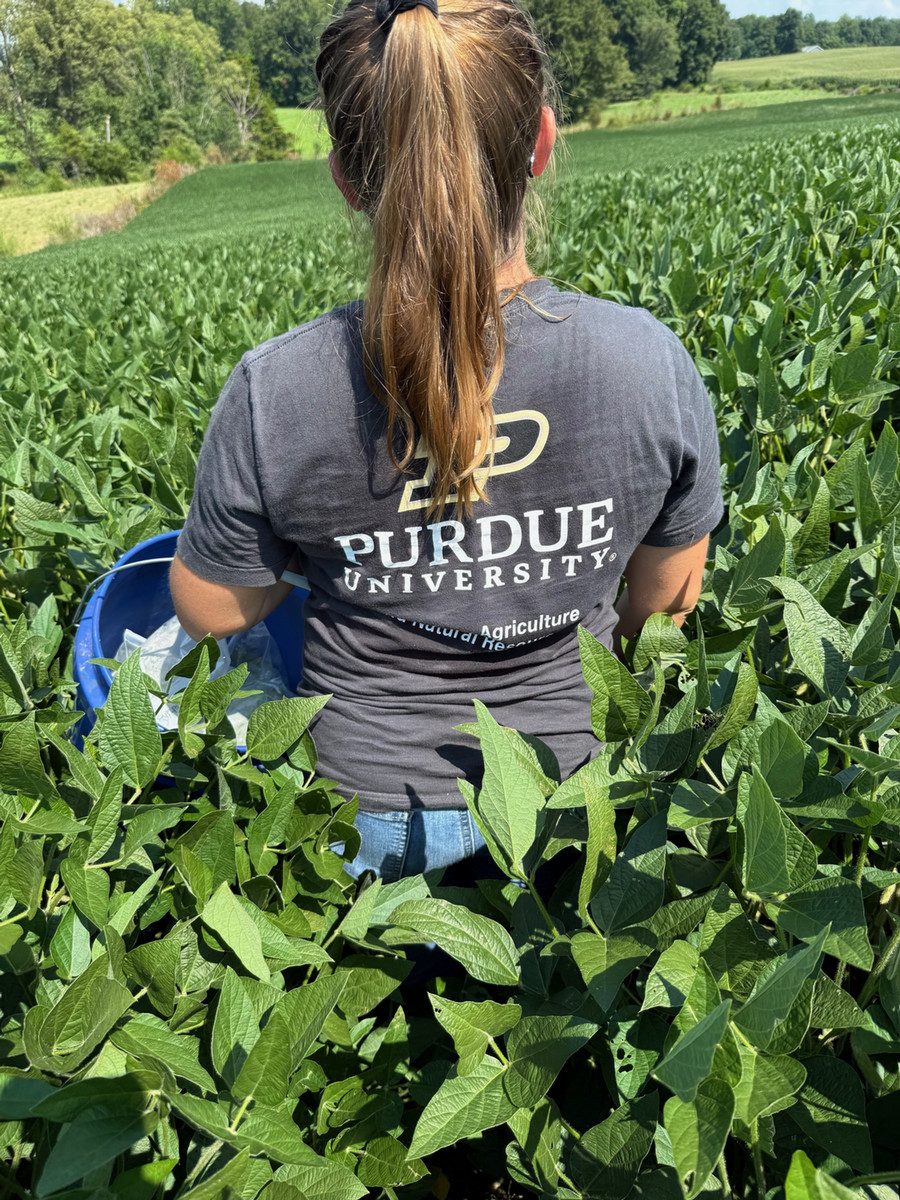
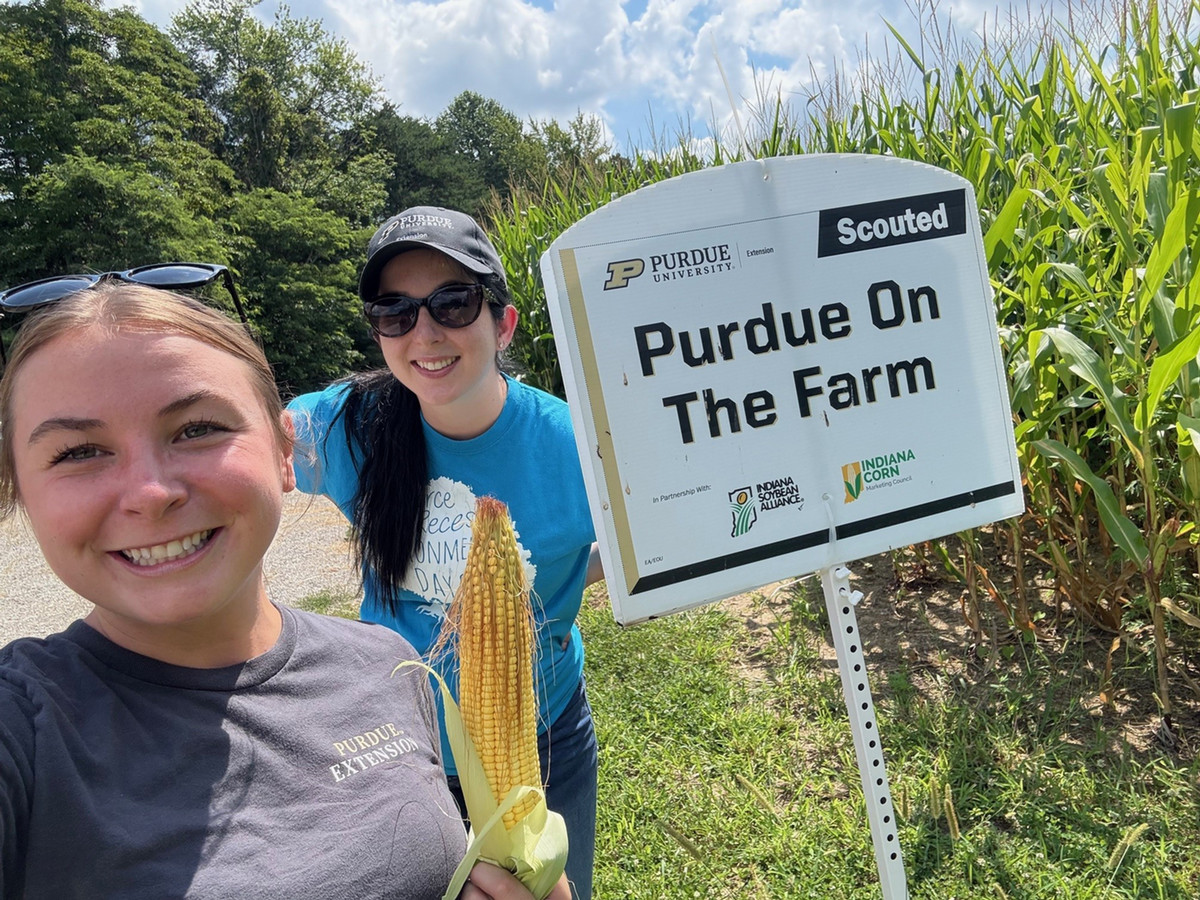
Jennings County ANR Educator, Emily Stockdale, is now participating in the Purdue On the Farm program.
This program allows participants to:
-
Build and strengthen relationships between educators, specialists, and farmers through direct, meaningful interactions.
-
Gain in-depth insights into farmer perspectives, challenges, and practices to better tailor support and solutions.
-
Observe and collect field data to support evidence-based recommendations.
-
Develop and expand educator knowledge through continuous learning and hands-on experiences, enhancing their ability to effectively serve the farming community.
If you are interested in participating in the Purdue On the Farm program, reach out to Emily Stockdale at epeterson@purdue.edu.
For more information, visit the Purdue On the Farm website: Purdue on The Farm Website
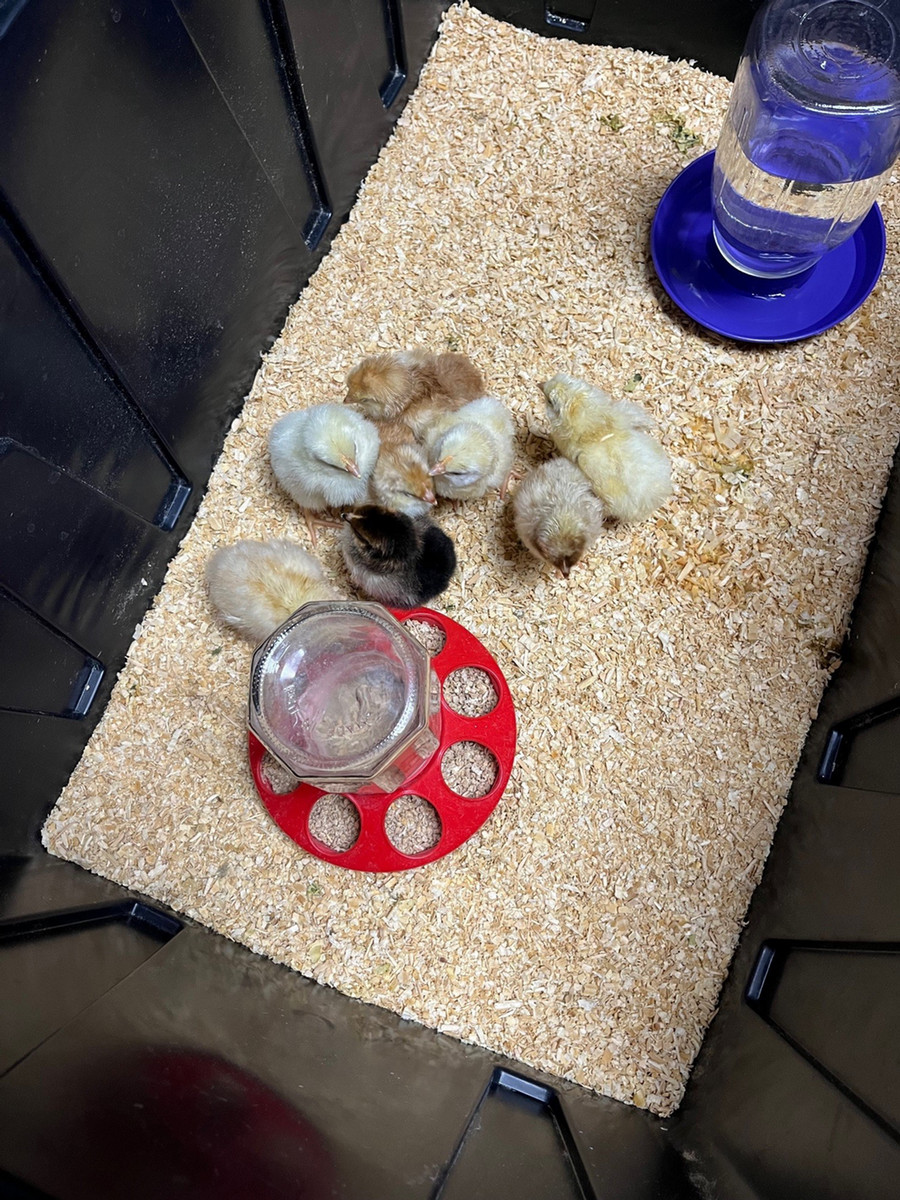
Chicks in the Classroom Program
This program allows Jennings County students to observe eggs being incubated and watch chicks hatch in their classroom. Students learn about life cycles, animal care, and responsibility through this hands-on agricultural experience.
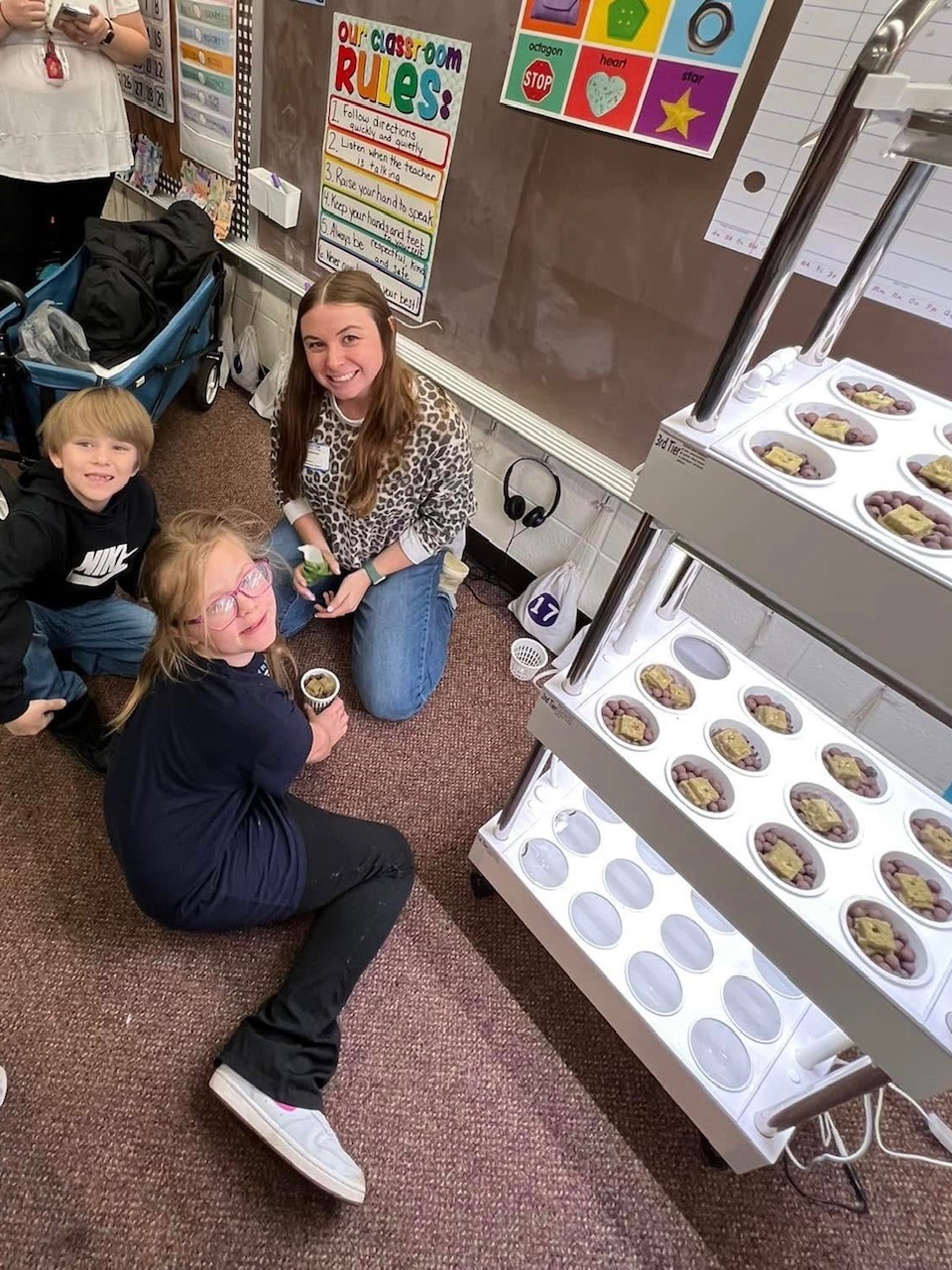
Grow Tower Aquaponics Program
The Grow Tower Program partners with schools to help students grow plants using an aquaponics system. Students learn how plants grow, how food is produced, and the role agriculture plays in providing healthy food.
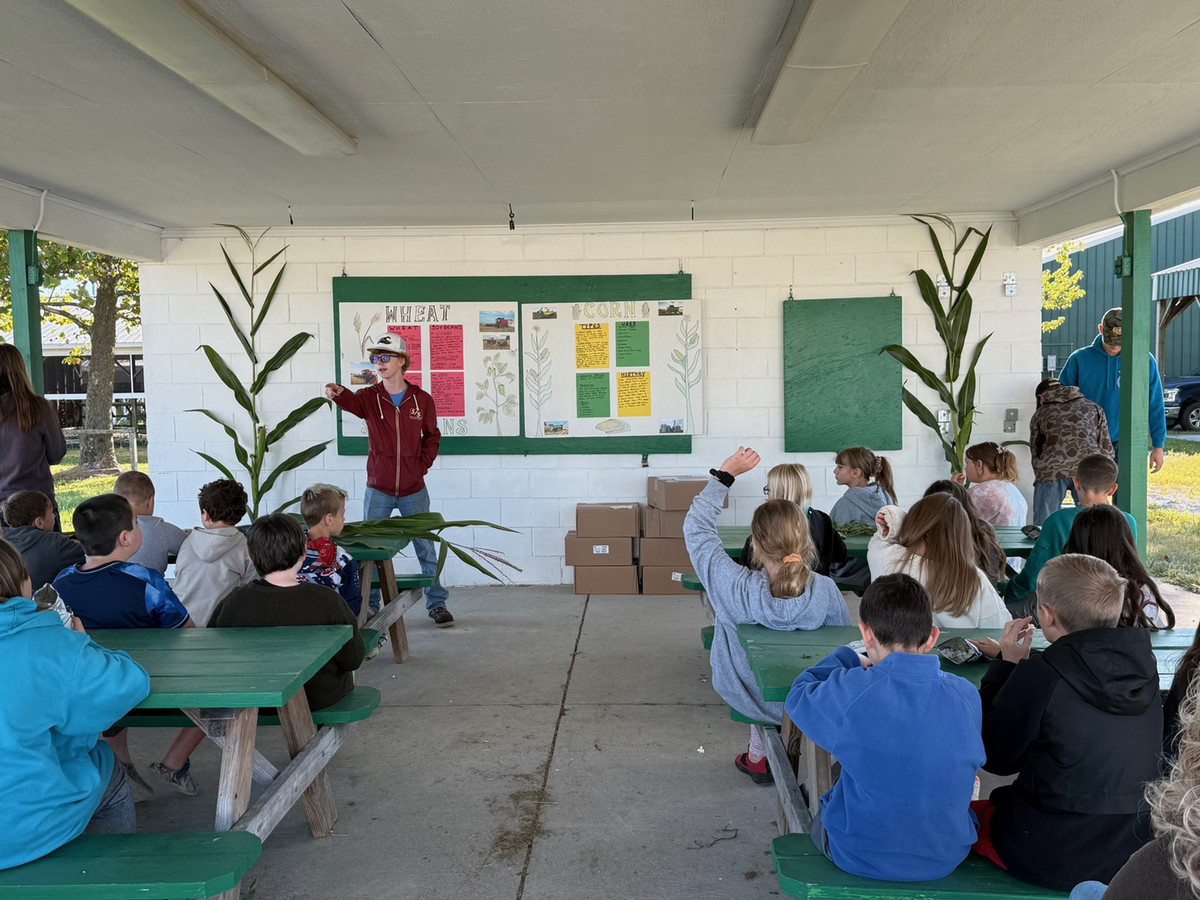
Ag Day Farm Animal Education
Ag Day gives Jennings County students the opportunity to learn about farm animals and agriculture through interactive stations. Students explore animal care and gain a better understanding of where their food comes from.